Are you working hard on your GCSE art coursework or externally set assignment? Are you wondering how to improve your sketchbook work and presentation?? Are you looking for some fantastic ideas for presenting your GCSE artwork? Okay, then scroll on! There are plenty of examples of amazing GCSE Art sketchbooks here. Enjoy!

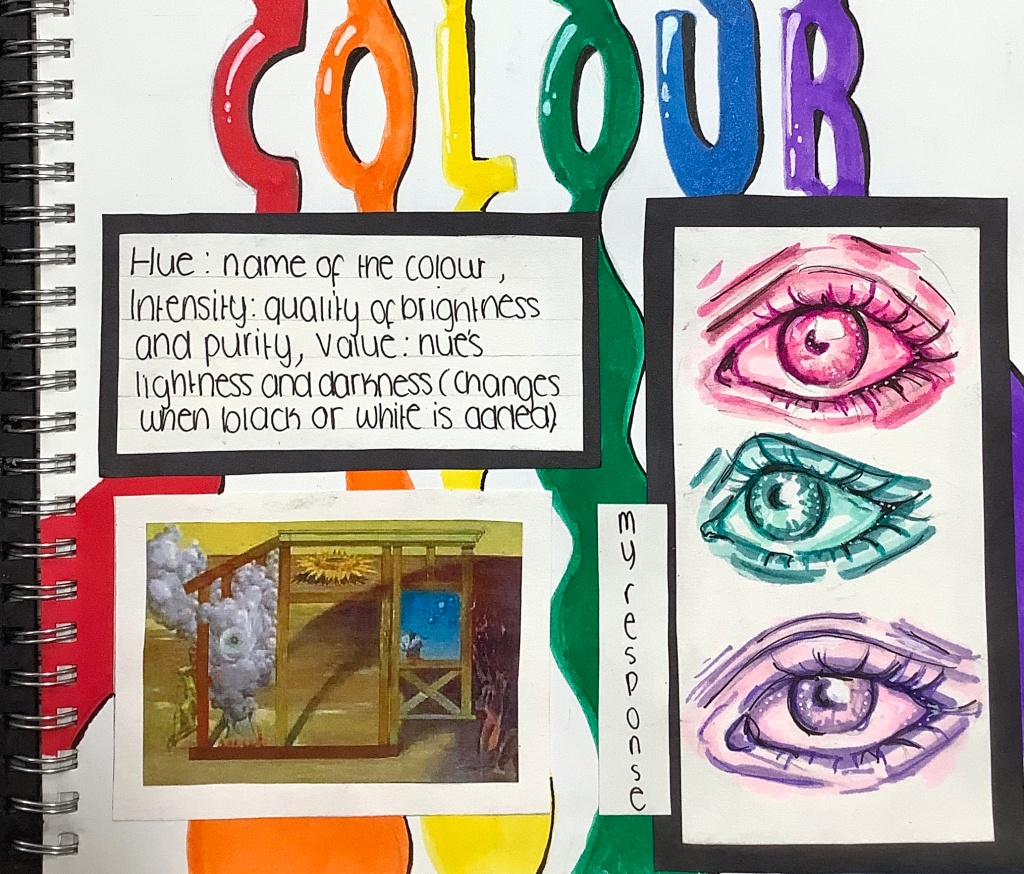
Importance of Sketchbook Presentation for GCSE Art.
Is your sketchbook presentation in GCSE Art really that important? Yes! Do you need really neat handwriting and copious amounts of analysis? No!
Below are lots of art sketchbook ideas to make your pages more interesting.
Your presentation in a sketchbook (or on design sheets, or on paper) is really important for GCSE art for several reasons:
Showcases Creativity
You are in art – be creative! Show off your imagination. A well-presented sketchbook reflects your creative abilities and individual style. It serves as your personal canvas where you are exploring different thoughts and ideas.

Demonstrates Your Thought Process
Effective presentation makes it easier to follow (or understand) the evolution of your ideas. It showcases how you think, showing how you develop ideas / themes over time.
- Examples of showing your thoughts are: mind-maps; lists; flowcharts; notes; sketches; voice notes; diary entries; word banks; annotations etc.

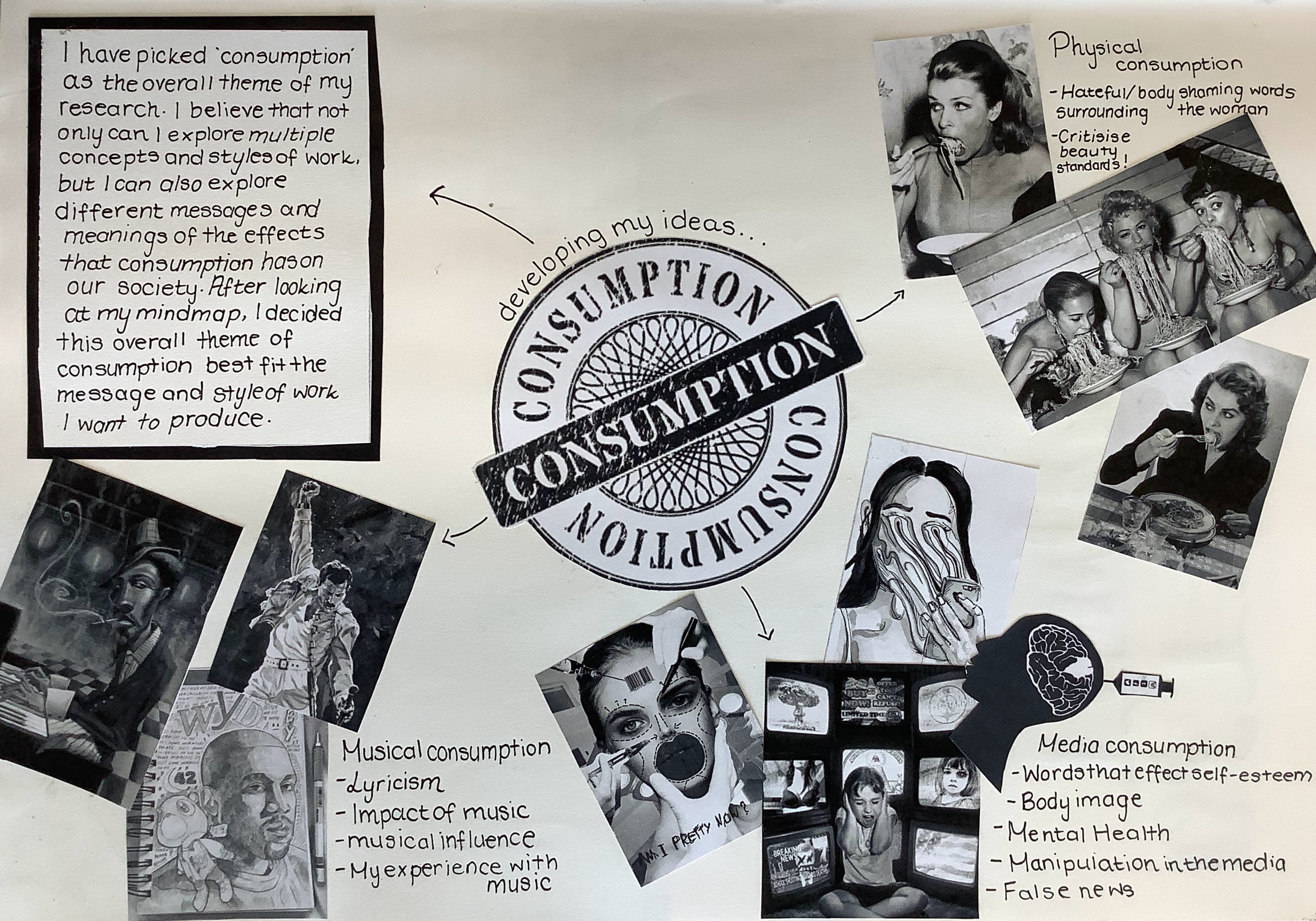
Highlights Steps you have Taken
By presenting artwork / ideas in a logical and organised way, you can clearly show the steps you’ve taken to reach any final outcomes.
- This includes initial sketches; experimentation; revisions; refinement; explanations

Enhances your art
A well-presented sketchbook enhances the visual appeal of your work. Thoughtful composition (layout) will help each artwork stand out, making a strong impact on the page.
- Sometimes, simple is best. Look at how much of the page is filled with artwork rather than backgrounds or titles
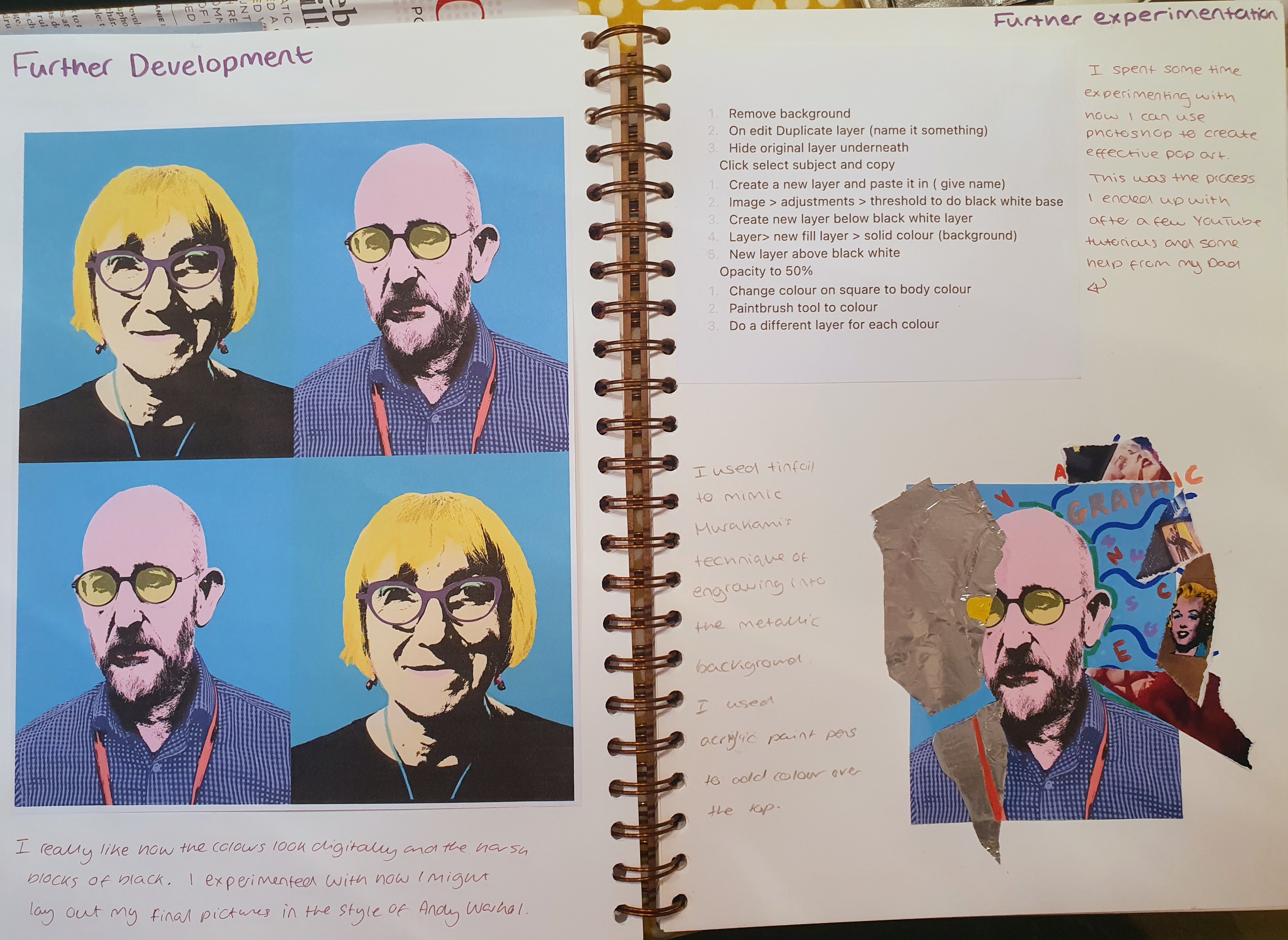
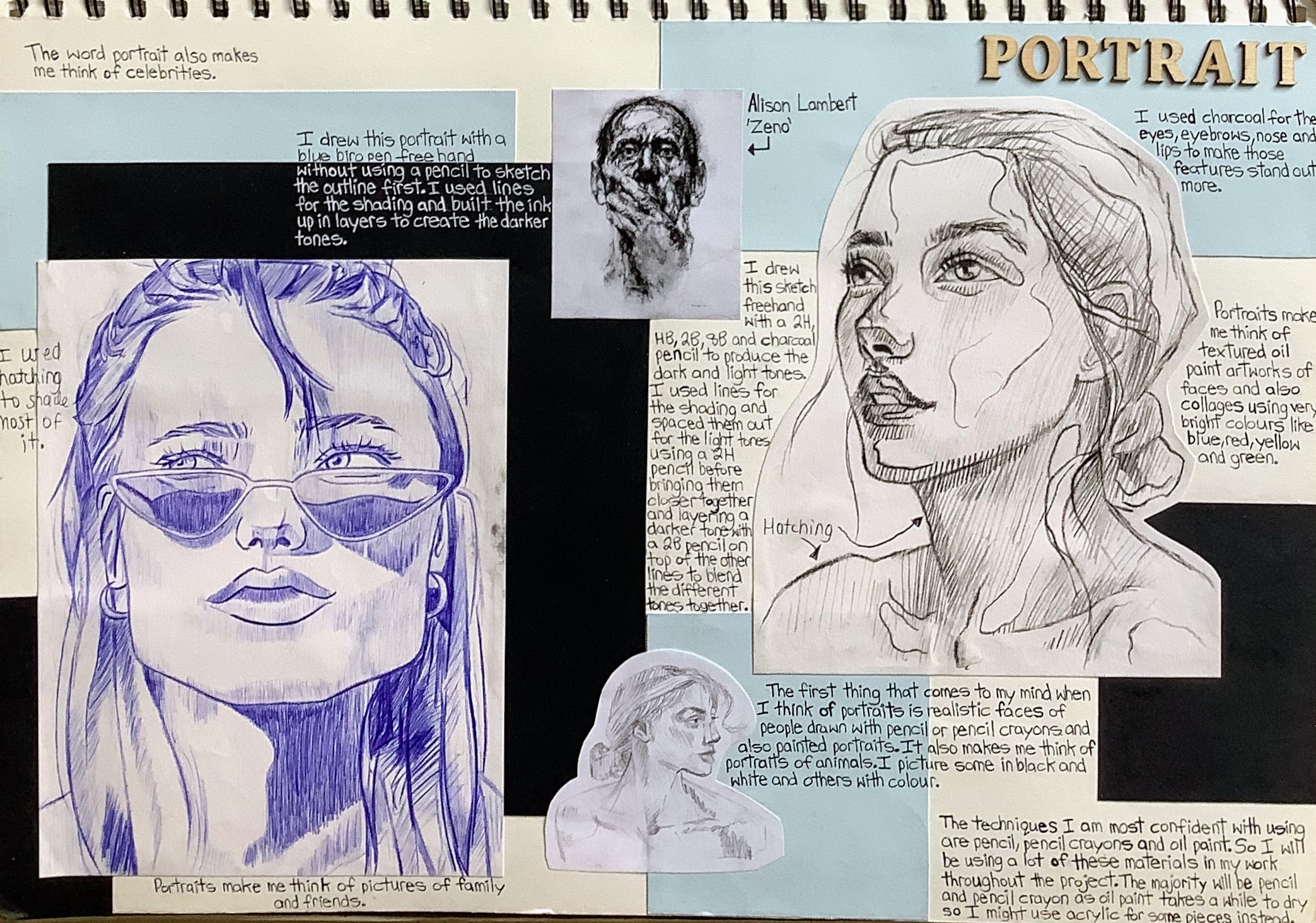
Understanding of Composition
An organised sketchbook shows that you have an understanding of composition and layout principles – essential skills for any artist.
- Remember: One of the Assessment Objectives for AQA is an understanding of visual language – basically, does it look good?!

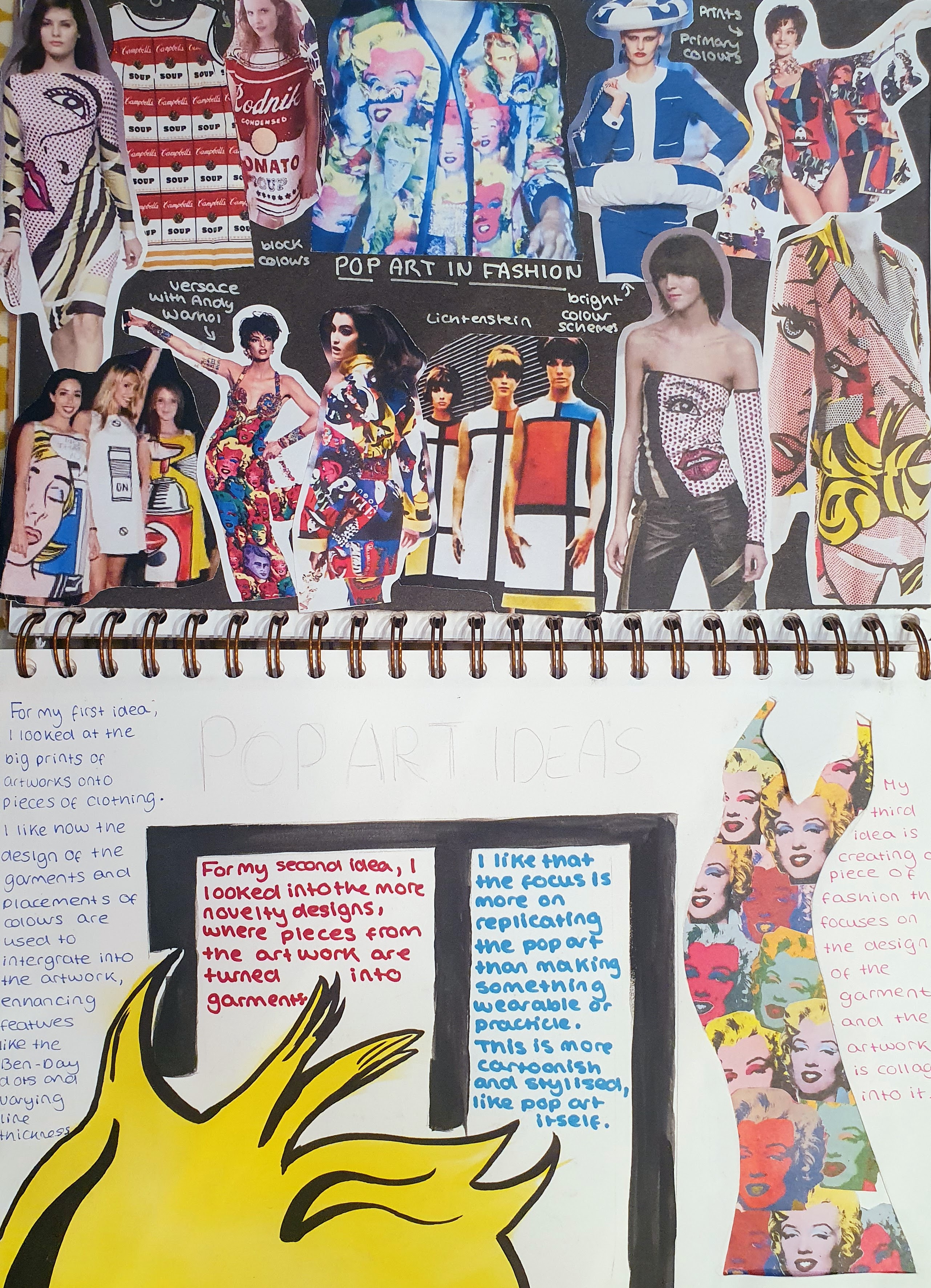
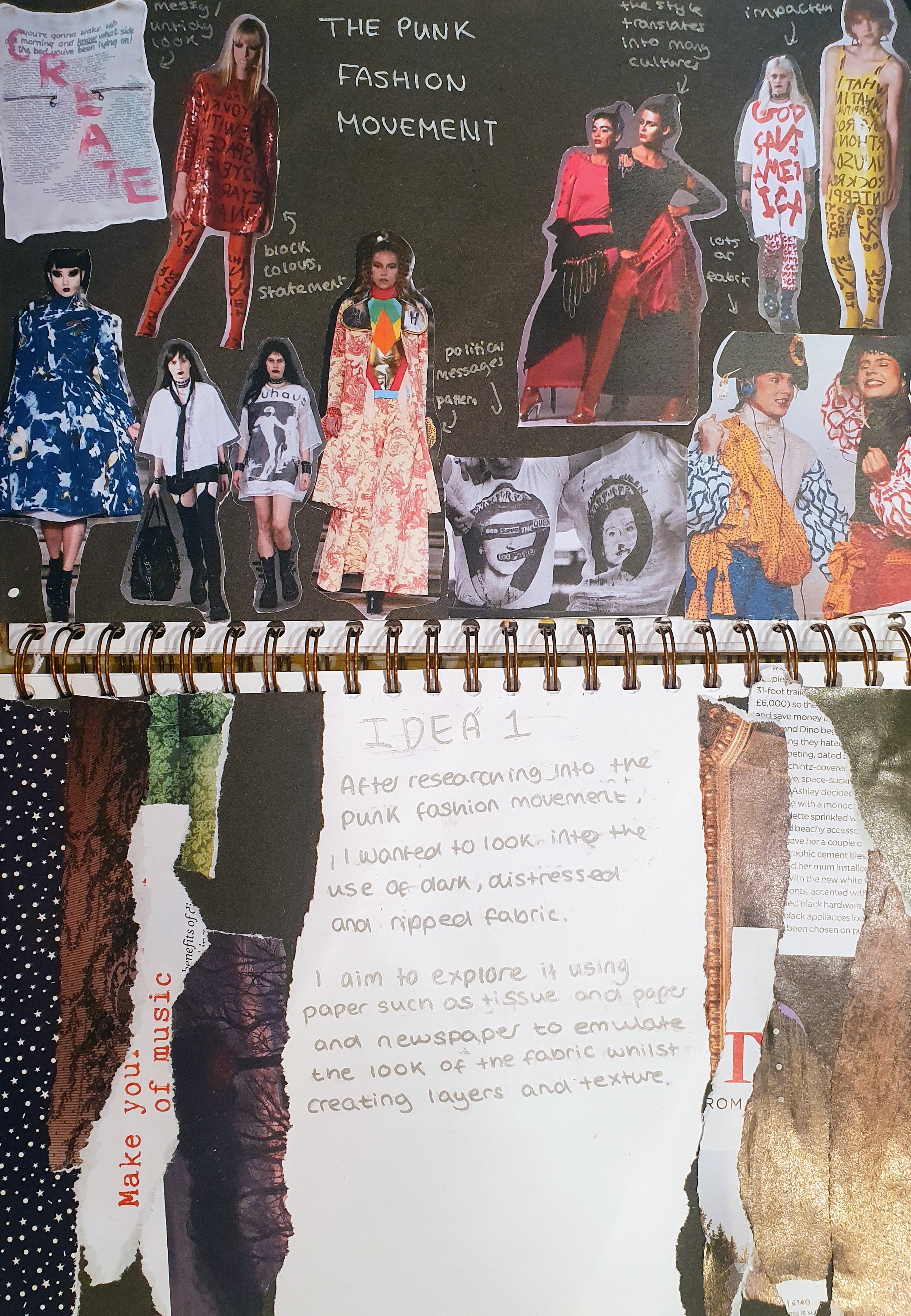
Document your Research
You have spent ages scrolling through Pinterest, you have battled with the printer to get your images out, you have cut up tiny pictures and decided where to stick them… Now show your research off – properly!
- Remember: Research is supposed to give you ideas – make this clear through your sketchbook presentation and notes.
Demonstration of Skills
A thoughtful and polished presentation can showcase not only your skills in making artwork, but also your annotations, colour use, and overall ability to record using different materials.
- You really don’t need to spend hours colouring in a title or a background in your sketchbook. Think carefully about how you can manage your time effectively – you are getting marks for the quality of the artwork you produce, so show it off!

Displays Passion
A well thought out sketchbook reflects your dedication and enthusiasm for art, so remember that you are the artist and these are your ideas. Be assured in your approach and use the materials you are most confident with.
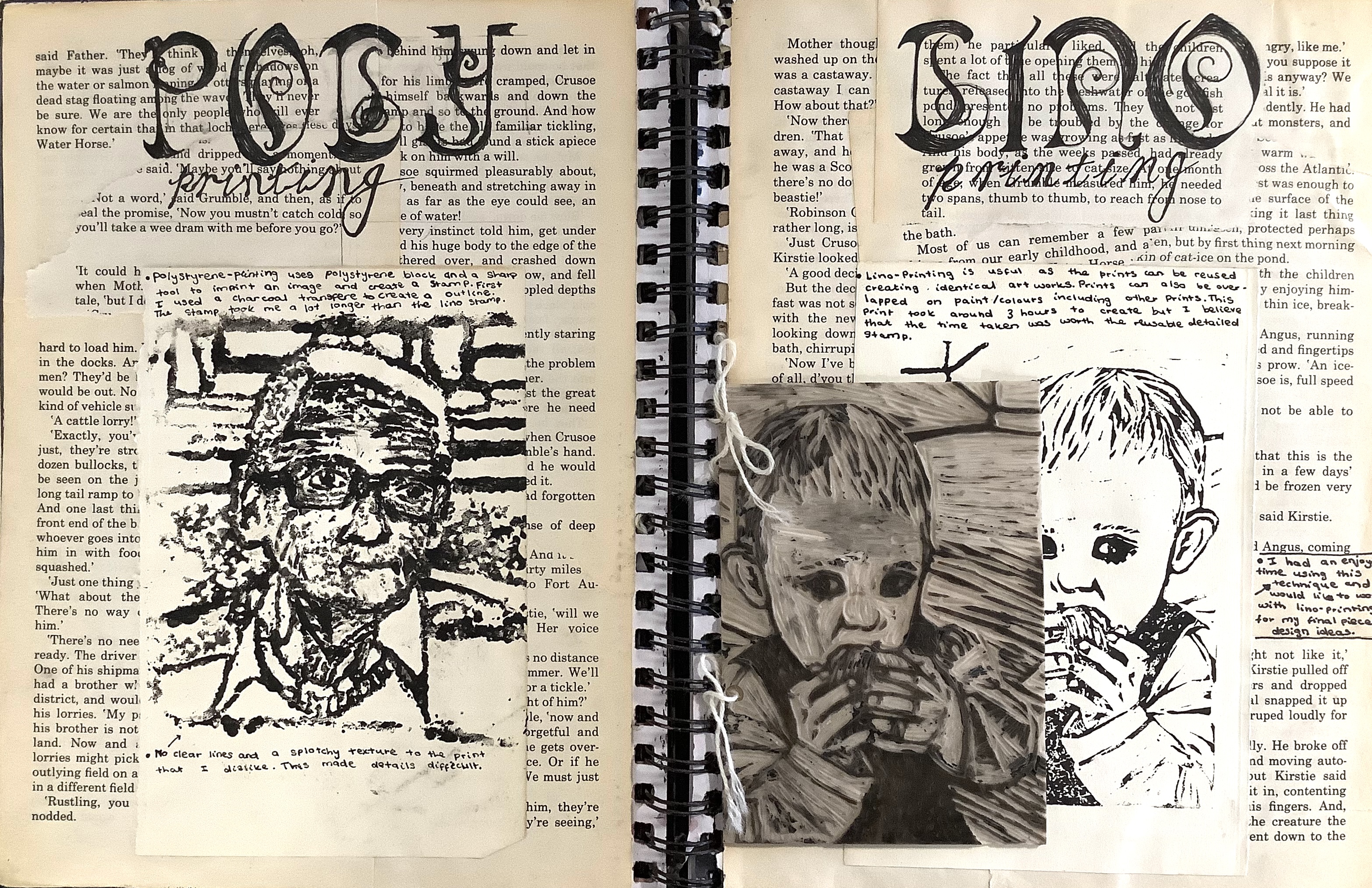

Your sketchbook (or design sheets) are your chance to effectively show off your artistic journey, skills, and passion.
I’m sharing more ideas, resources and examples on my Instagram.
Some tips for your GCSE Art sketchbook presentation:
- Title your pages or work – this explains what you are showing
- do not spend ages on titles, just write them!
- Include annotations or notes – these explain your thoughts
- type your notes if you need to, they don’t need to be by hand
- Use appropriate colours
- they should match the project theme / artist links / mood-boards on the page
- Show off your artwork
- Don’t cover it with random bits of paper or writing
- Don’t draw/write into it through the next page
- Protect fragile work with tracing paper or sealant
Useful links to help with your Art GCSE:

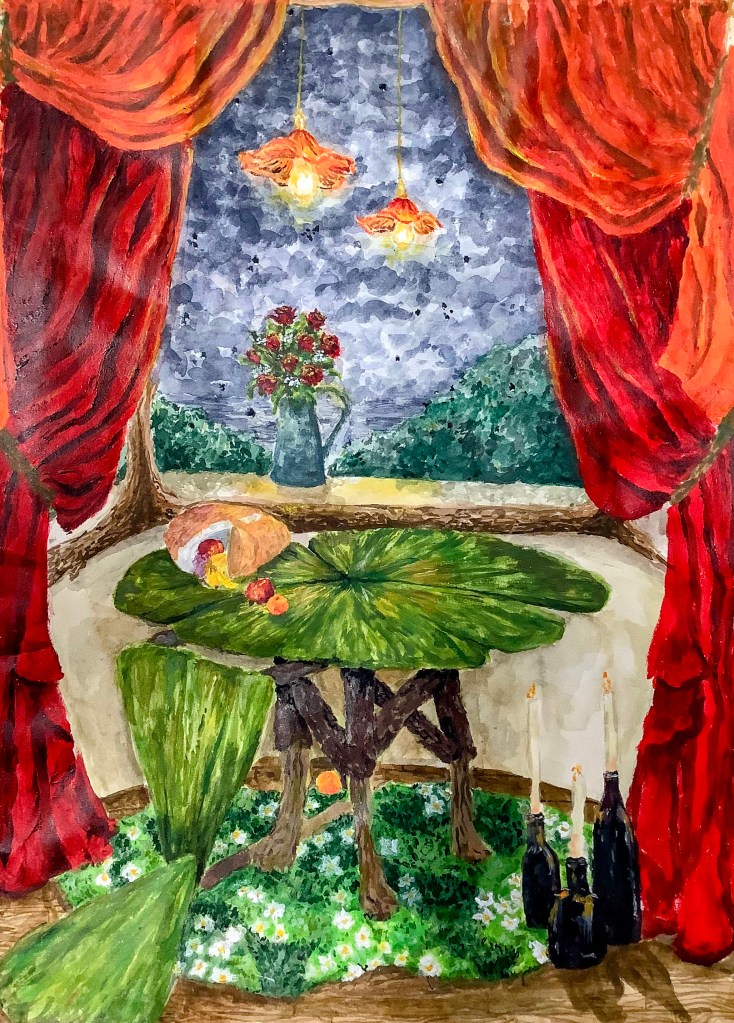

If you are an Art Teacher and would like these sketchbook examples in a PowerPoint format and PDF – just sign in (for free!) below and download the files. Enjoy!

Subscribe to continue reading
Subscribe to get access to the rest of this post and other subscriber-only content.


Comments are closed.