In this simple clay art project students create their own bottles or jars inspired by their favourite food and sauce condiments. It’s an ideal project to let students explore family traditions and food cultures. The full scheme of work includes artist research, design work, an introduction to a range of clay techniques and some fantastic outcomes by students!
I created this clay art project after seeing the amazing work of Mechelle Bounpraseuth and thinking about how students could make really personal (and simple!) responses of their own. I have taught it for about three years and each year I enjoy it more and more.
The full project presentation is available on TES or TPT – enjoy!

Get art resources sent straight to your email:
I taught this project with my Year 9 classes, but the clay construction process we use here is actually really simple and students don’t need lots of materials. It could easily be taught to younger (or older!) students too. You could adapt the size of the outcomes depending on budget / storage space etc.

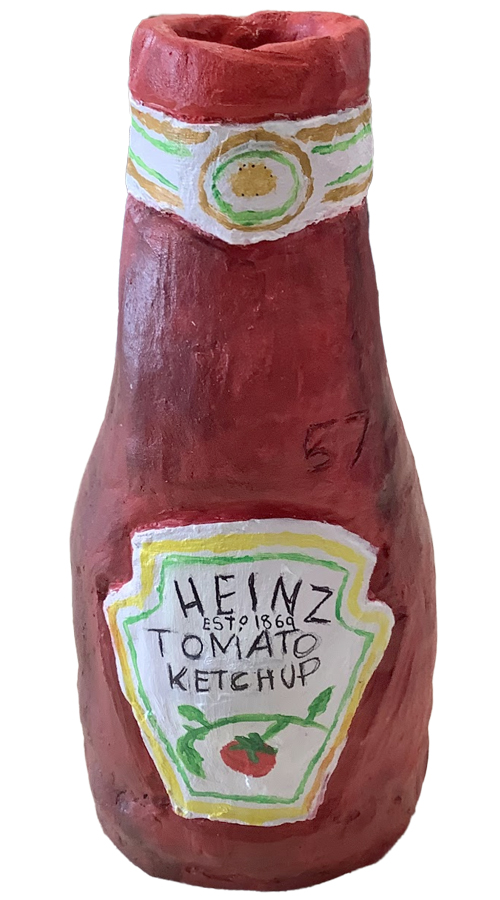
The subject of food has always played an important role in art, so I thought it was an ideal opportunity to engage students in a contemporary way.
Stone Age cave painters used vegetable juice and animal fats as binding ingredients in their paints, and the Egyptians carved pictographs of crops and bread on hieroglyphic tablets.
https://www.smithsonianmag.com/travel/food-art-cultural-travel-180961648/
The school I work in has many EAL students from diverse backgrounds, and I thought a project that touched on social rituals, favorite foods and condiments would be a great way for them to touch on their heritages and family traditions.
To kick off the project, students research the artist Mechelle Bounpraseuth and her use of clay:
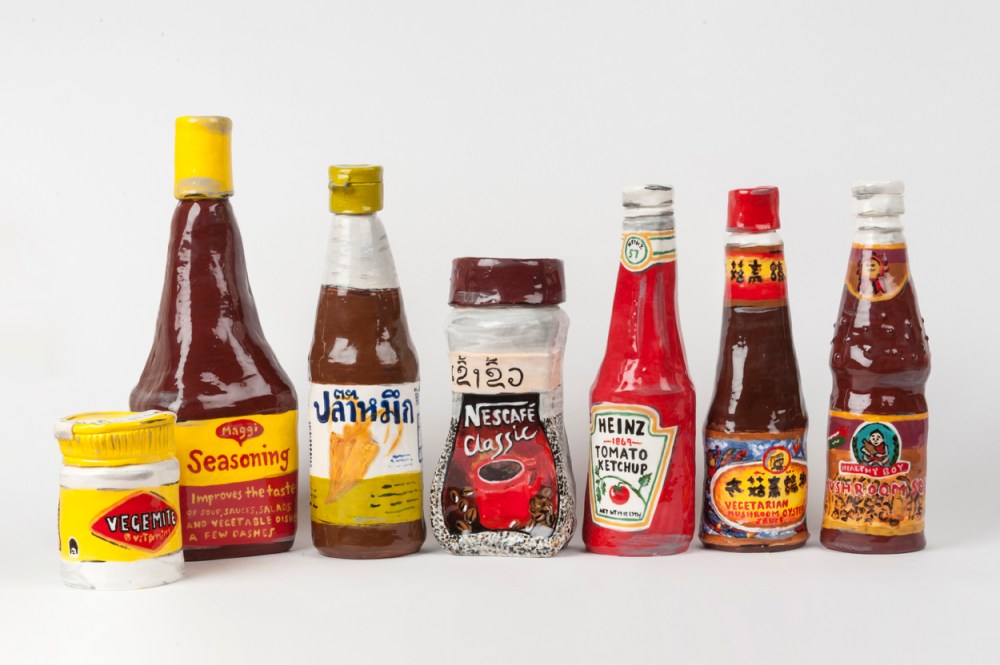
Bounpraseuth makes life-size clay artworks inspired by the food she and her family ate when she was younger… I loved this concept and used it as a springboard to develop this scheme of work 😊💭🎨
Examples of student research into Mechelle Bounpraseuth:
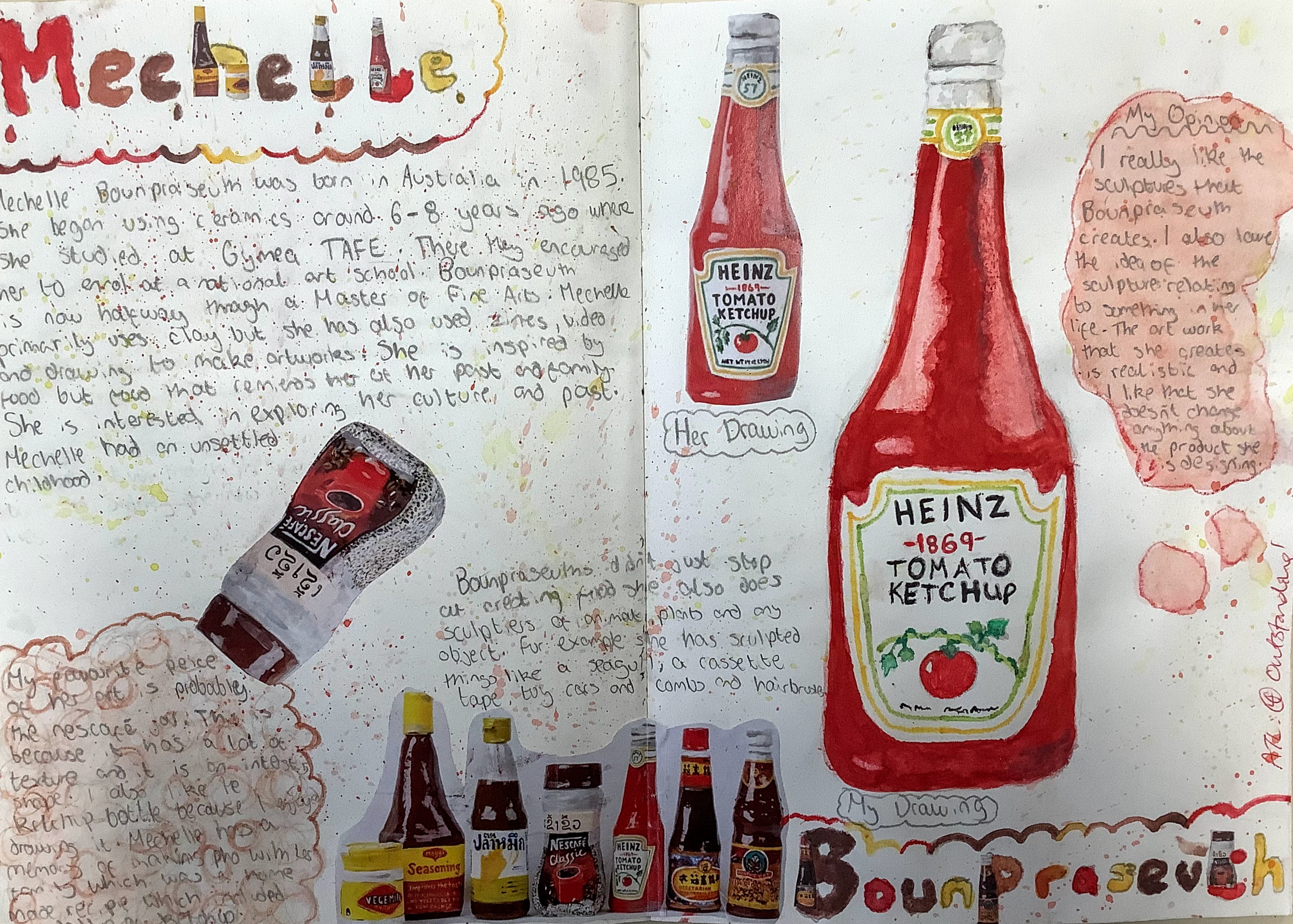


How amazing are these artist research pages?! 😍 I think these show how invested students were in the artist and her work, as well as the message and meaning behind it.
During these lessons I asked students to start thinking about food / drink / condiments / sauces that reminded them of family members or friends from when they were younger. My aim here was for students to have a strong sense of autonomy in their work and be engaged from the start.
Artist Research Inspiration:
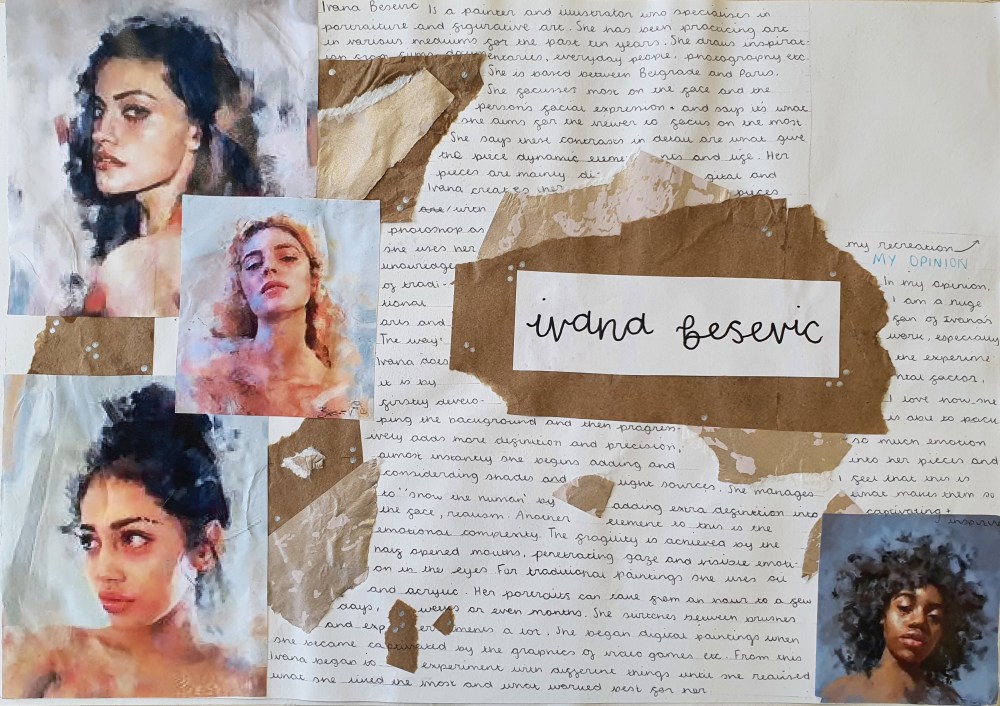
Which materials will you need for this clay project?
- Clay – we use buff clay, which is cheap (but we never have any issues with it)
- Clay tools – simple plastic ones are fine for lower school / younger students
- Hessian / linen mats – the clay will stick the tables otherwise
- Extruder – this wall mounted clay extruder has been an absolute life-saver for making coils, especially when you have over 200 hundred students 😆
I may make a small commission from any pro links clicked on this page
I am not sure if you can use air-dry clay for this project, but I would love to find out! If you try it with air-dry clay, please let me know how it turns out.
The full project presentation is available on TES or TPT – enjoy!
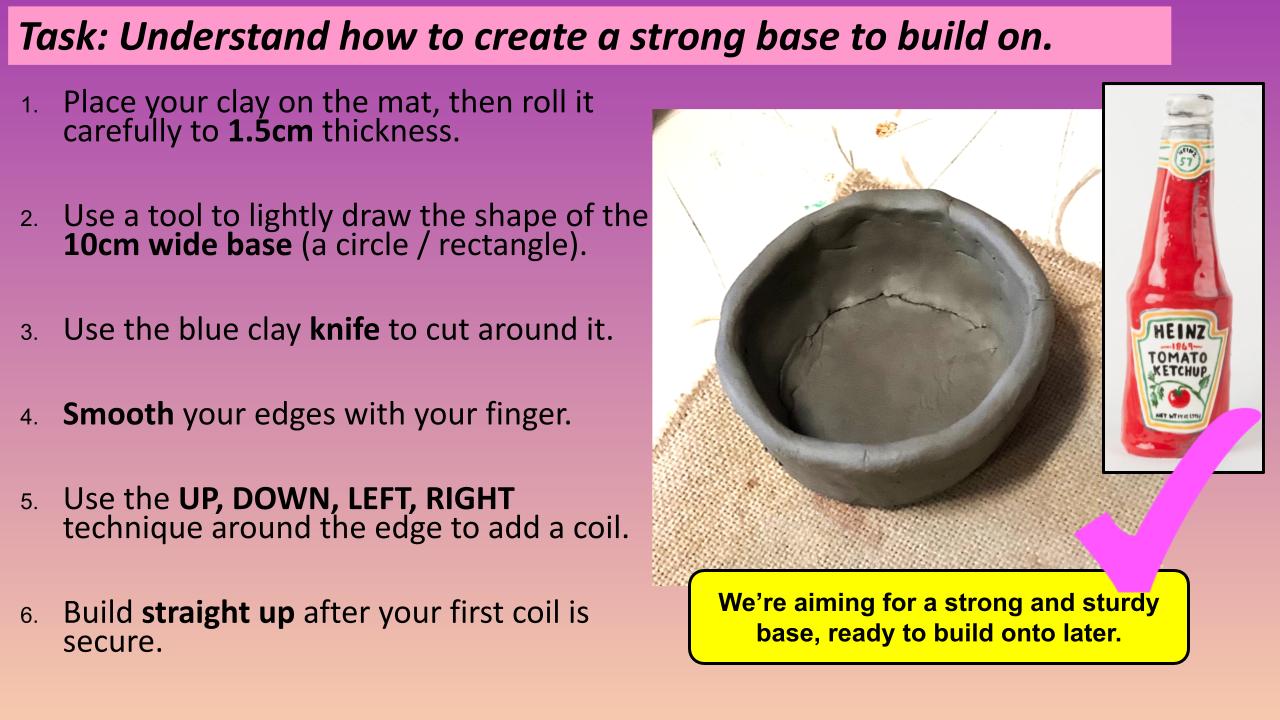
After researching the artist and the inspiration behind Mechelle Bounpraseuth’s work, we looked at the shapes she needed to build to form the condiment bottles. These slides are all in the presentation, but students identify that if they were to build a ketchup bottle, they would need: a strong base, a cylinder for the body, a truncated cone for the top of the bottle and a disc for the lid (bonus points for links to maths and science here 🎓). They then worked out what shapes they would need for their chosen bottle or jar. To be honest, most just chose to do a ketchup bottle anyway! 🍅
This project uses the coil method of clay construction, and since the pieces are quite small, they don’t need to use slip – less mess! Yay.


Naturally, some students found working with the clay quite challenging, particularly trying to build their first coils. The main issue was students trying to pinch the coils instead of spreading them smoothly on the outside edge of the cylinder.

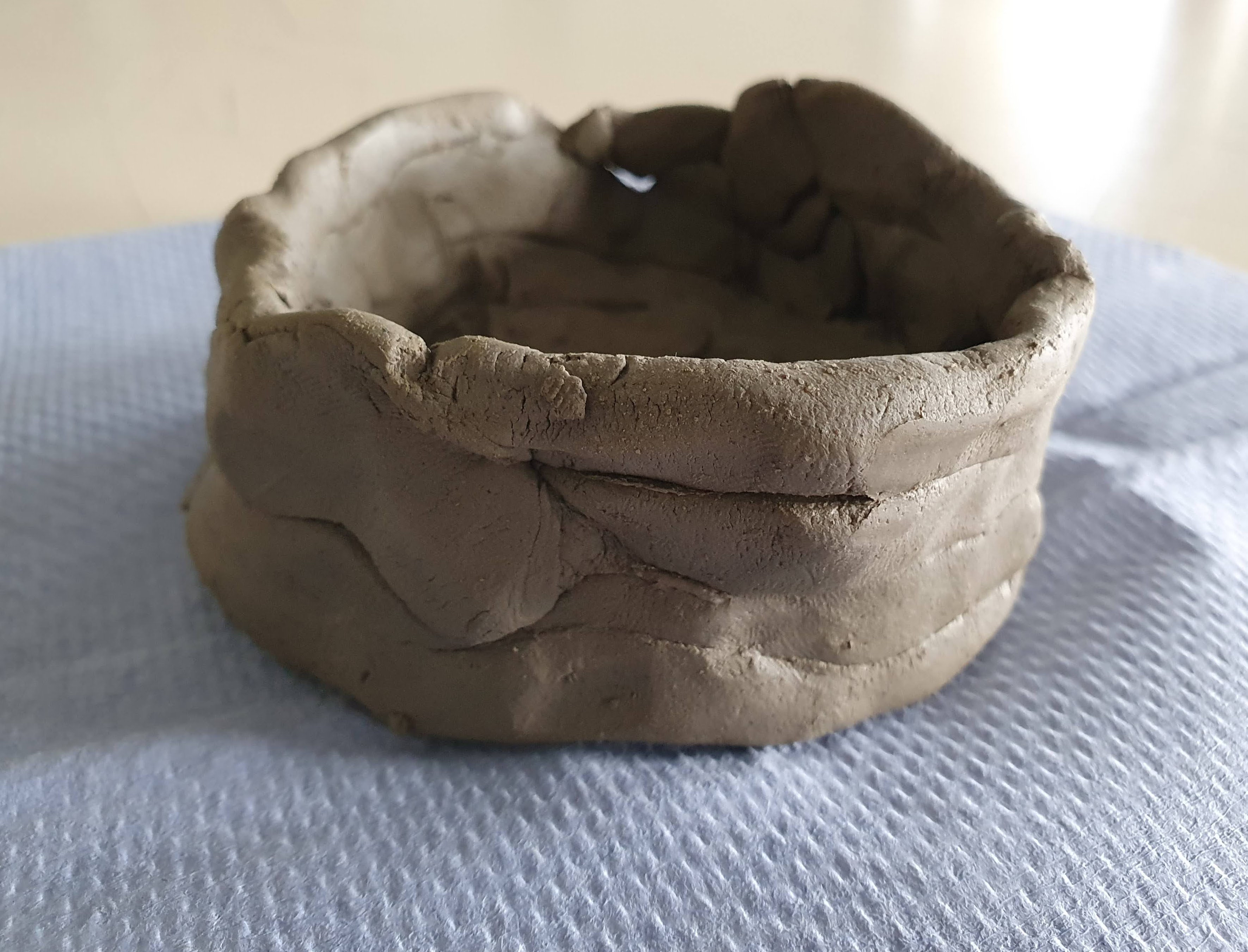
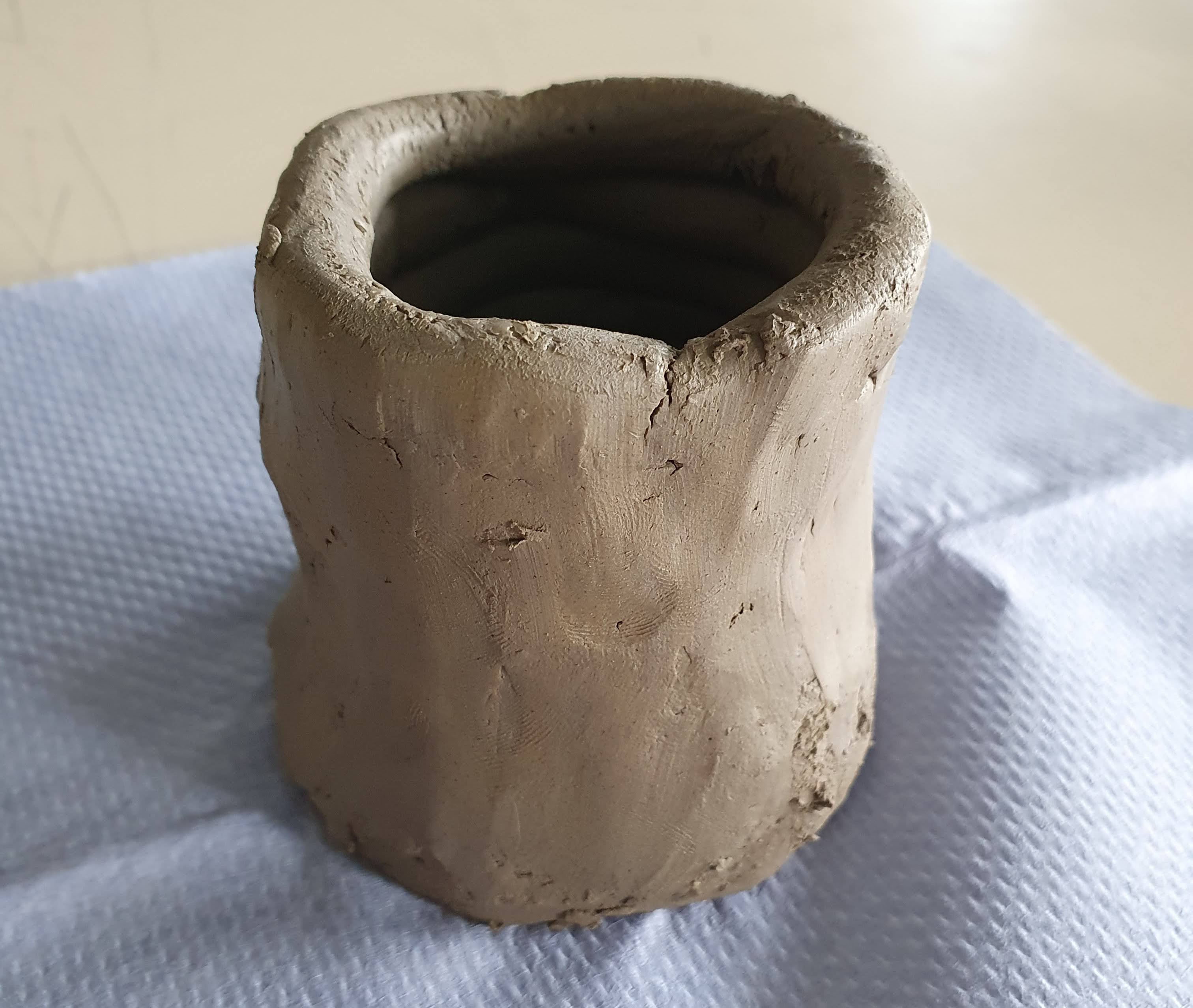
This was a great opportunity to show students how versatile clay is as a material, as it can constantly be moved and adjusted whilst it is in its ‘plastic‘ state! One of the many reasons clay is one of my favourite materials to work with 😊
Once students had mastered how to construct their clay using the coil method, the next few lessons were about building the correct height and shapes (depending on the bottle or jar they were making.)

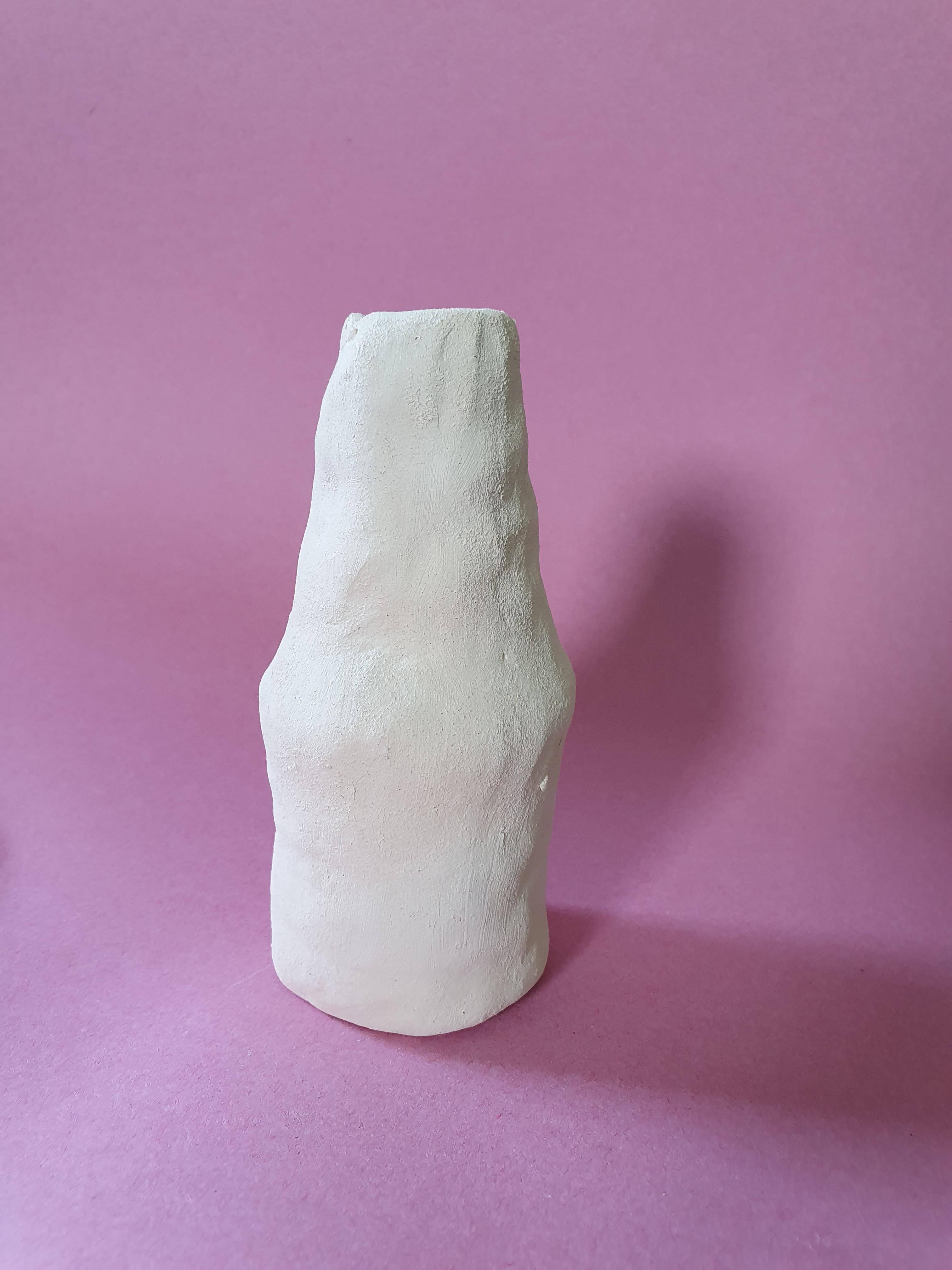
Once the clay forms were all built, we fired them! I looooove how simple these all look and would happily leave them unpainted if I was being selfish 😊


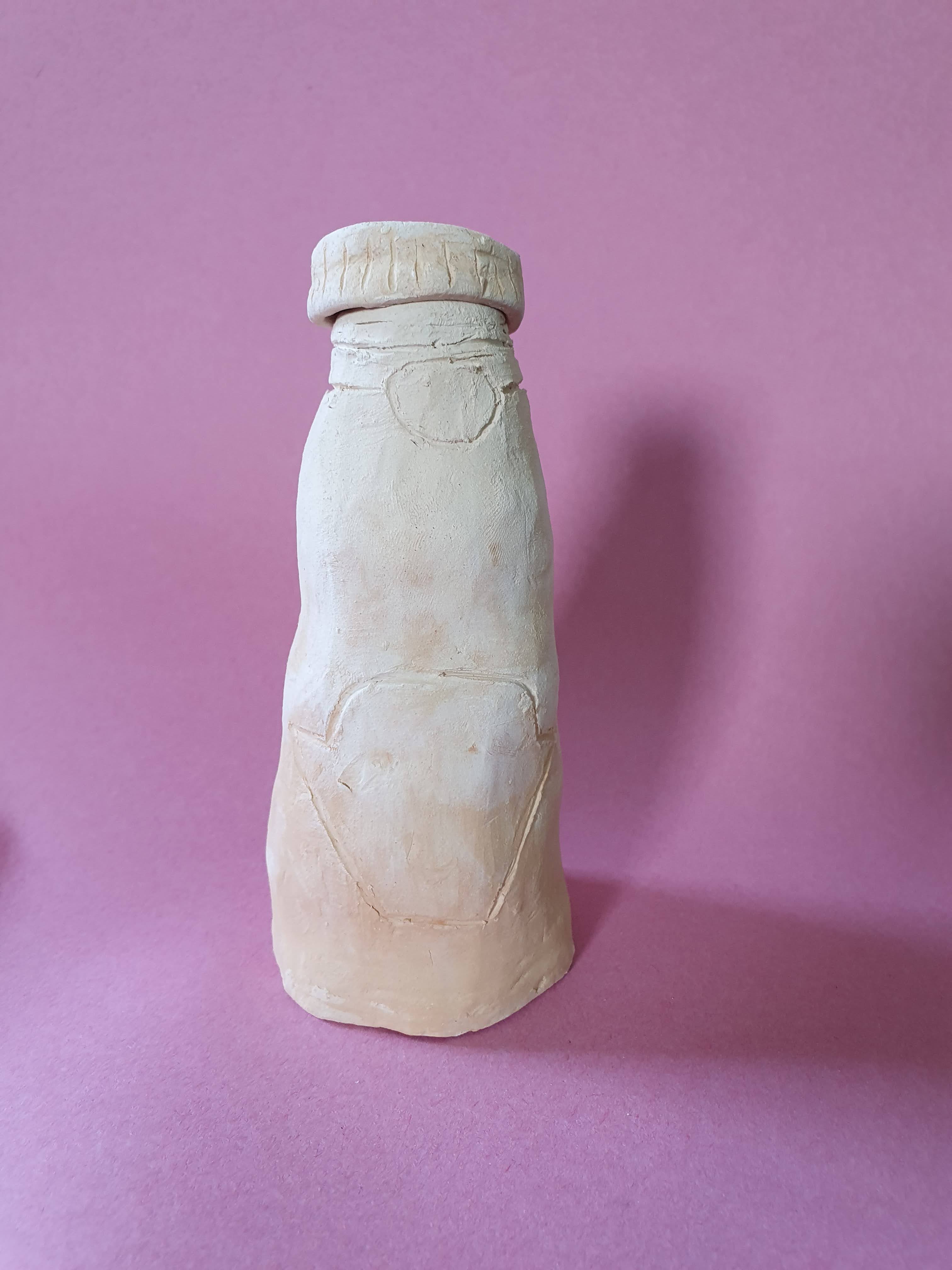

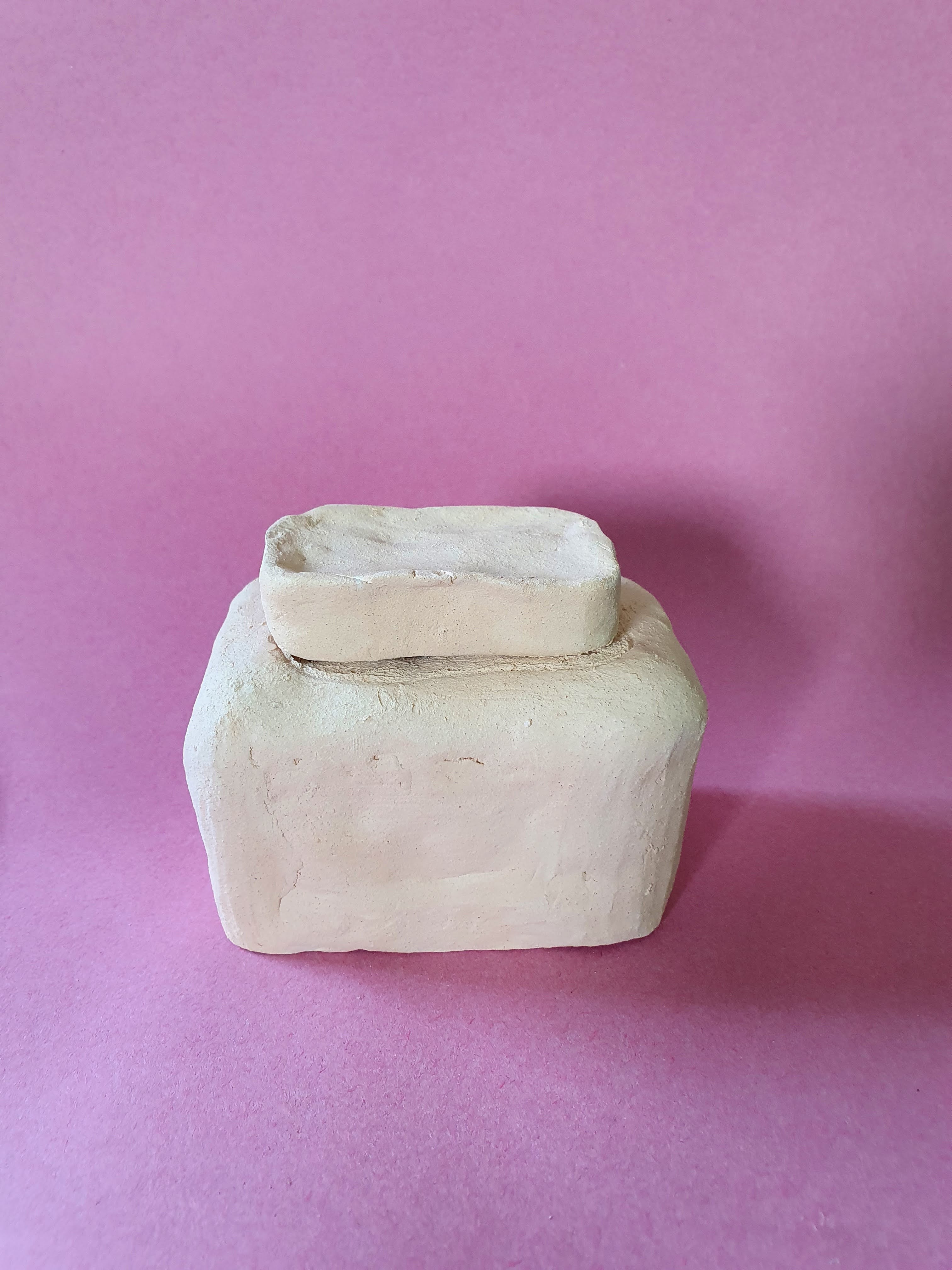
Practical tips for teaching clay:
- Have strict setting up and clearing away routines (all instructions I use are included in the presentation)
- Set the rules out in the first lesson and stick to them
- Consider your storage (wet clay, in-progress pieces, drying clay etc.)
- Consider firing and cooling times between classes
- Account for breakages and accidents (have a backup plan!)
- Have students scratch their name and class into their work (and double check they actually do it!)
So, what to do whilst students are waiting for their work to be fired? I wanted to keep the lessons relevant to their project whilst introducing new skills. As I taught this to Year 9, I also wanted it to be challenging!
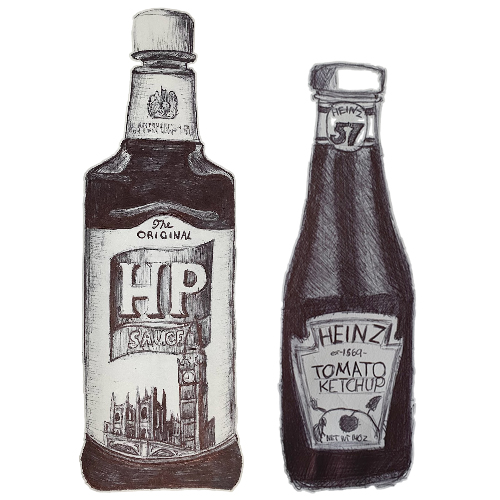
I taught a lesson showing students how to draw their condiment bottles or jars using a biro pen – even though they were *quite reluctant* at first, they produced some amazing work… These would look great on tea towels!

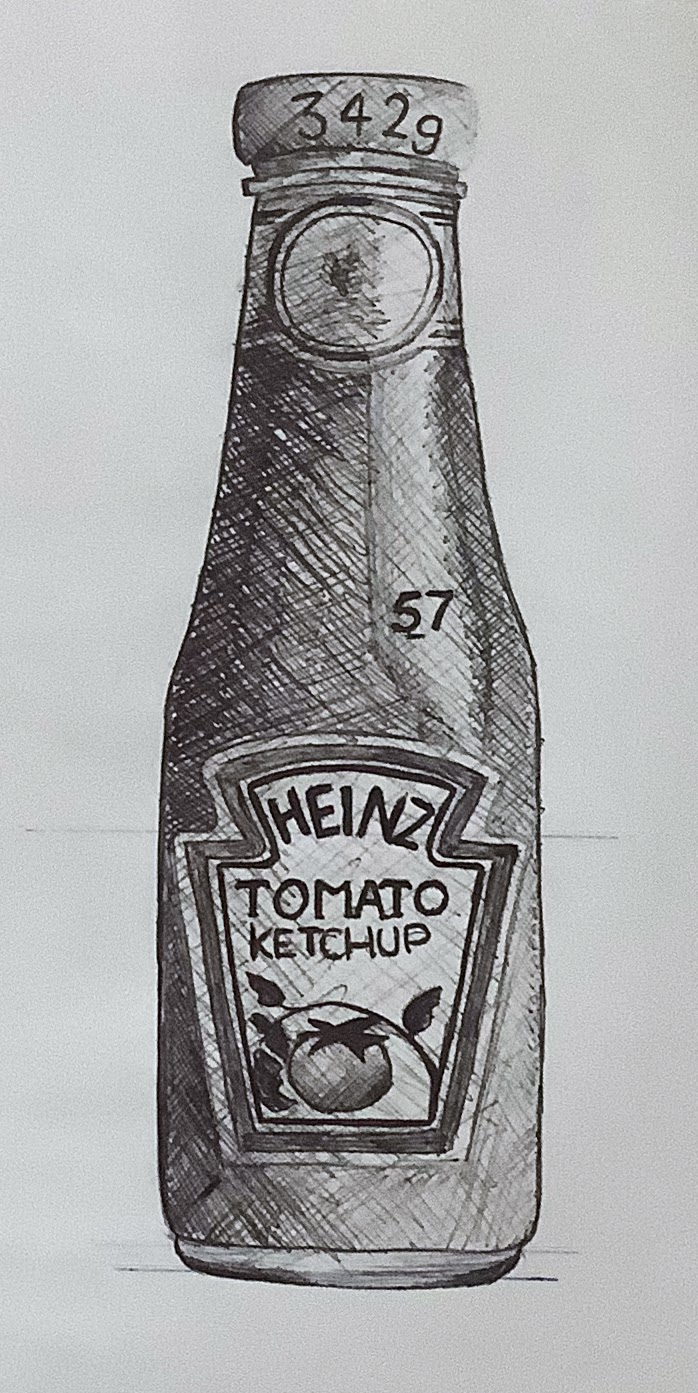

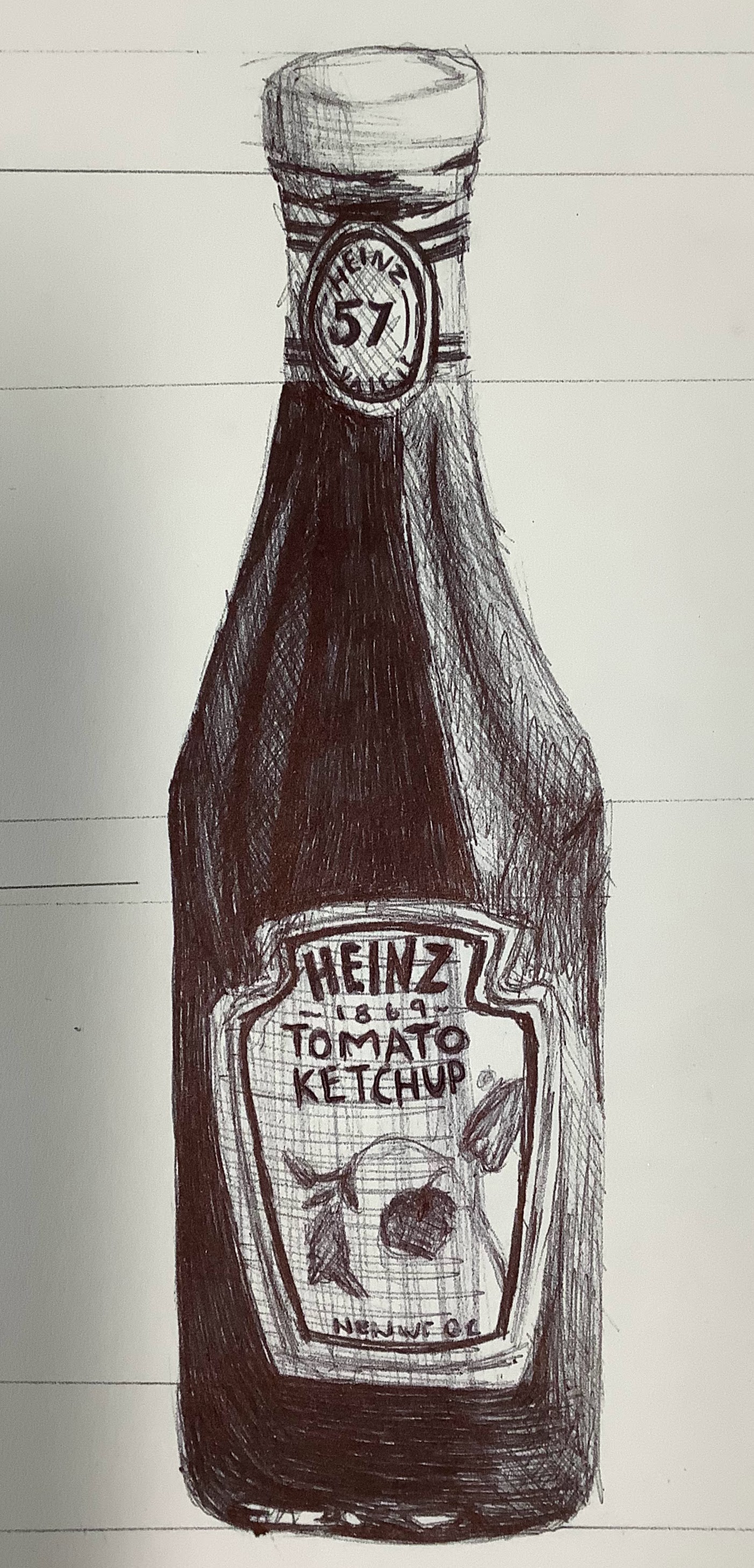
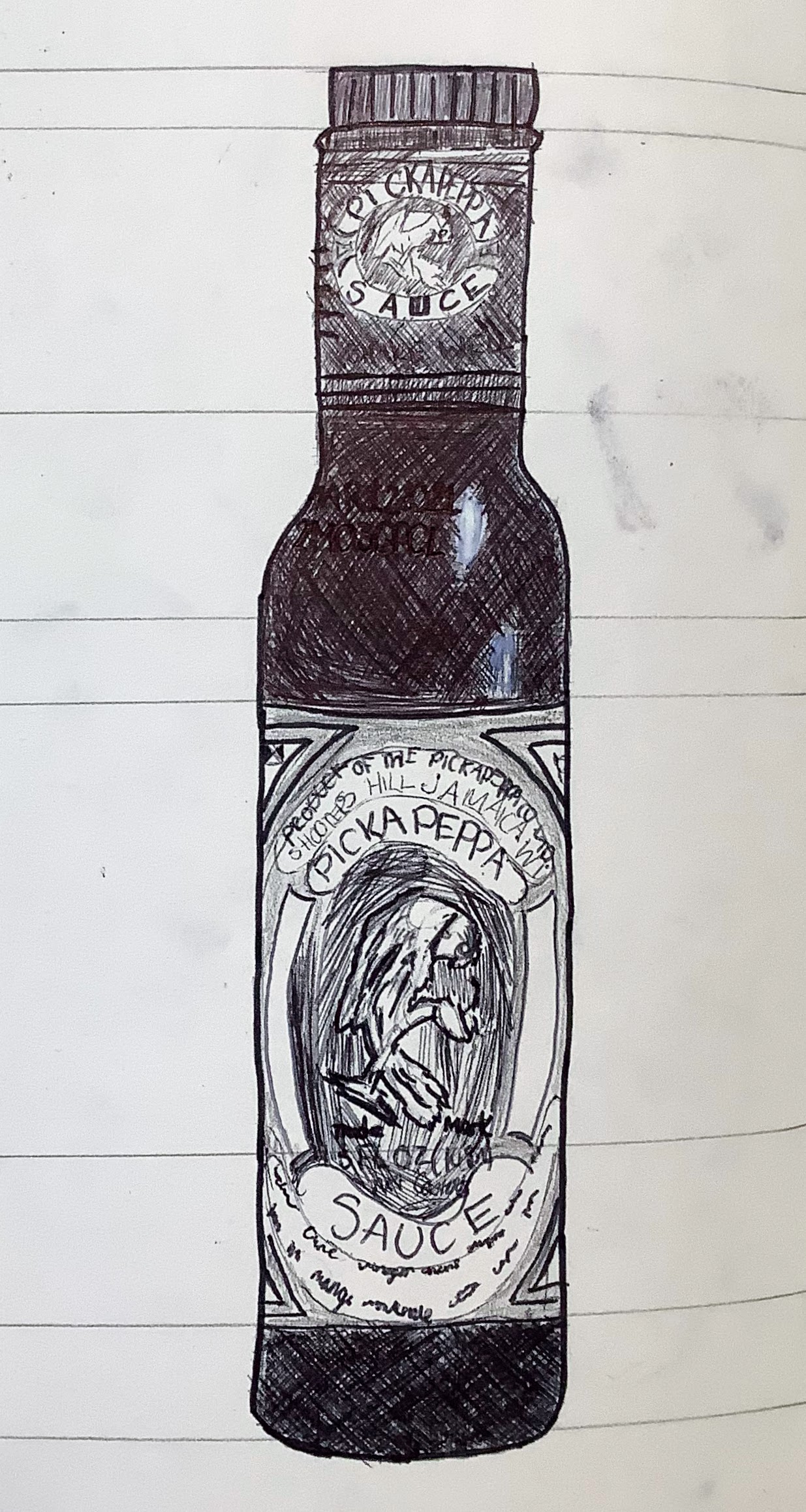
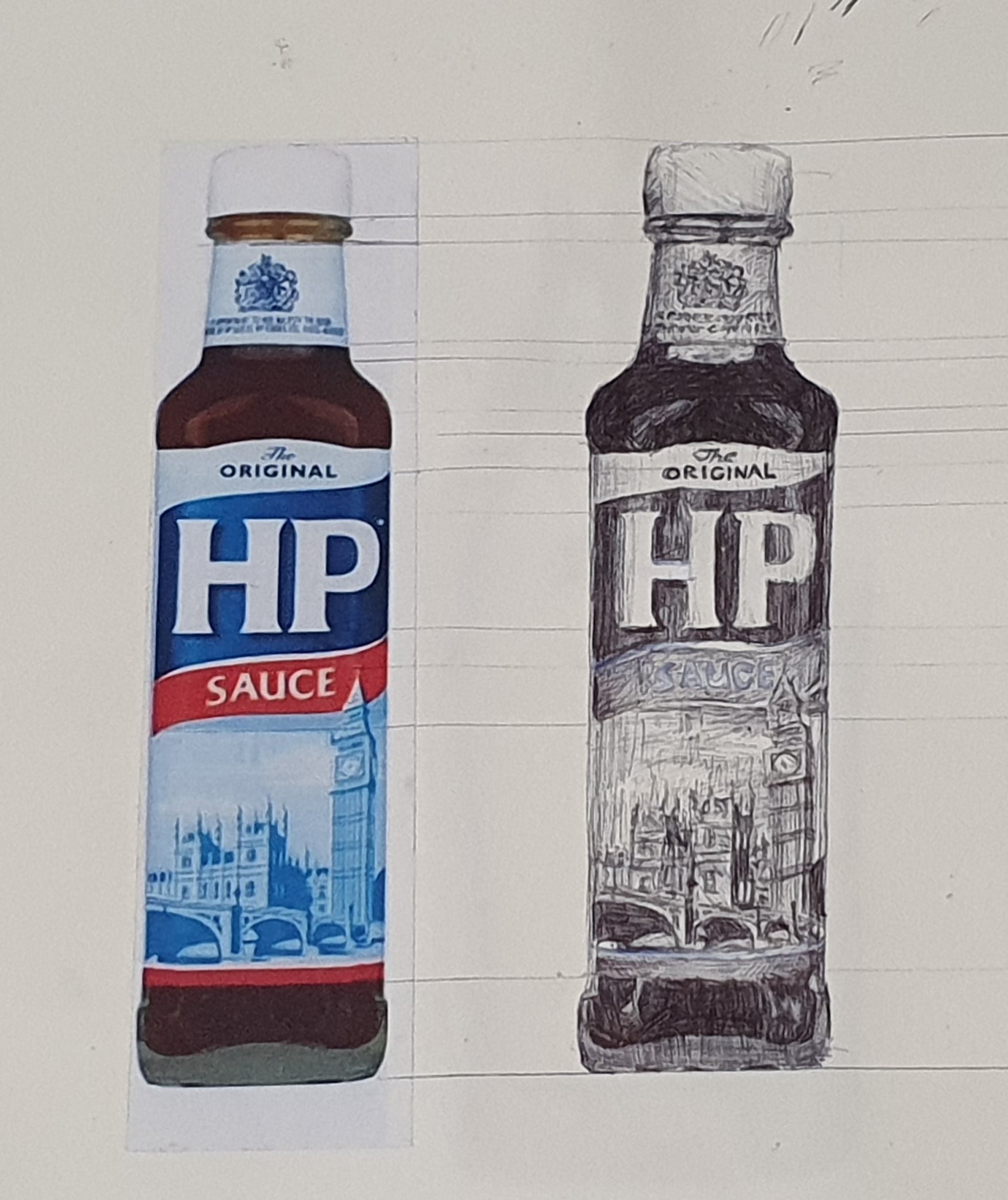
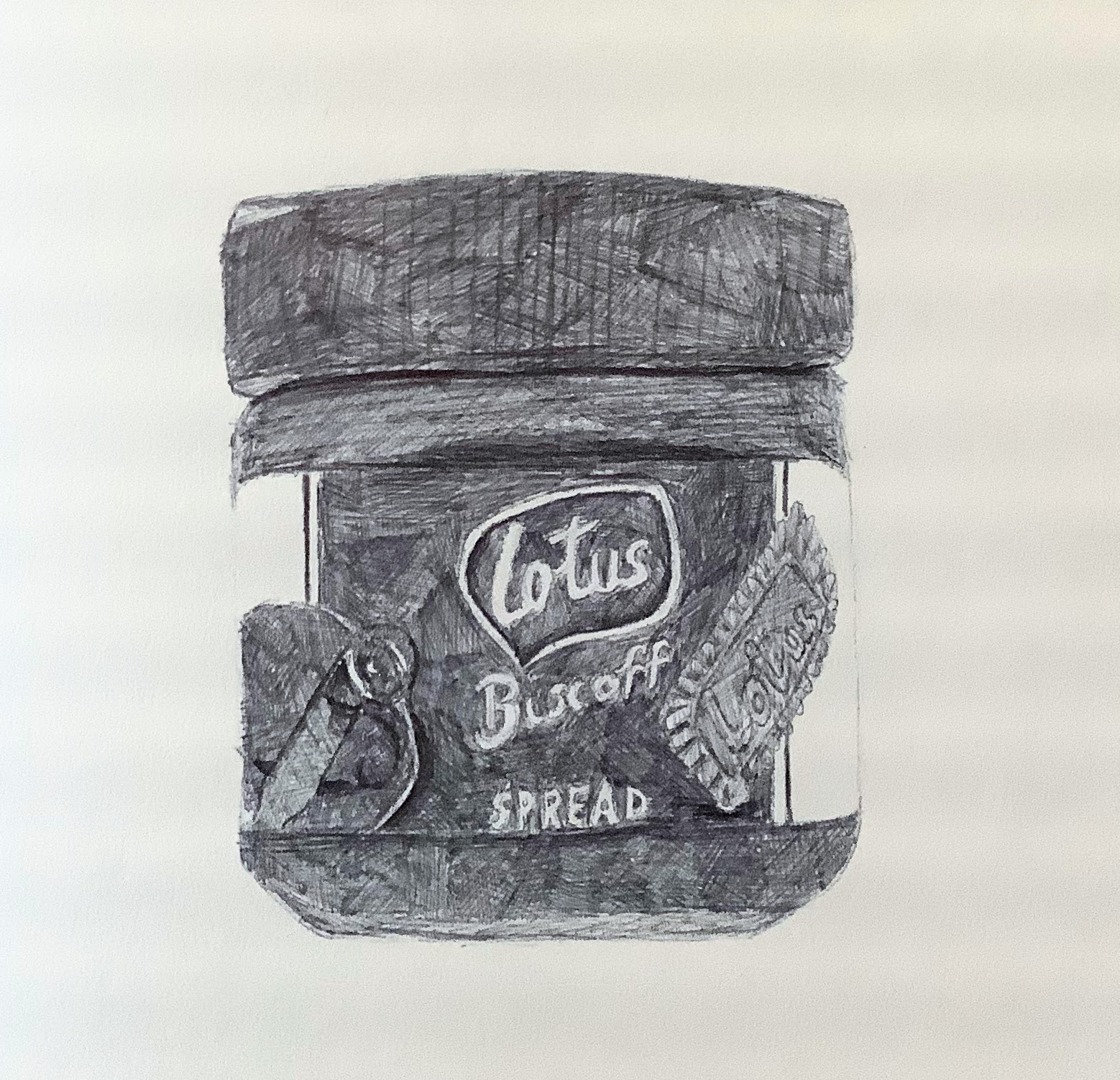
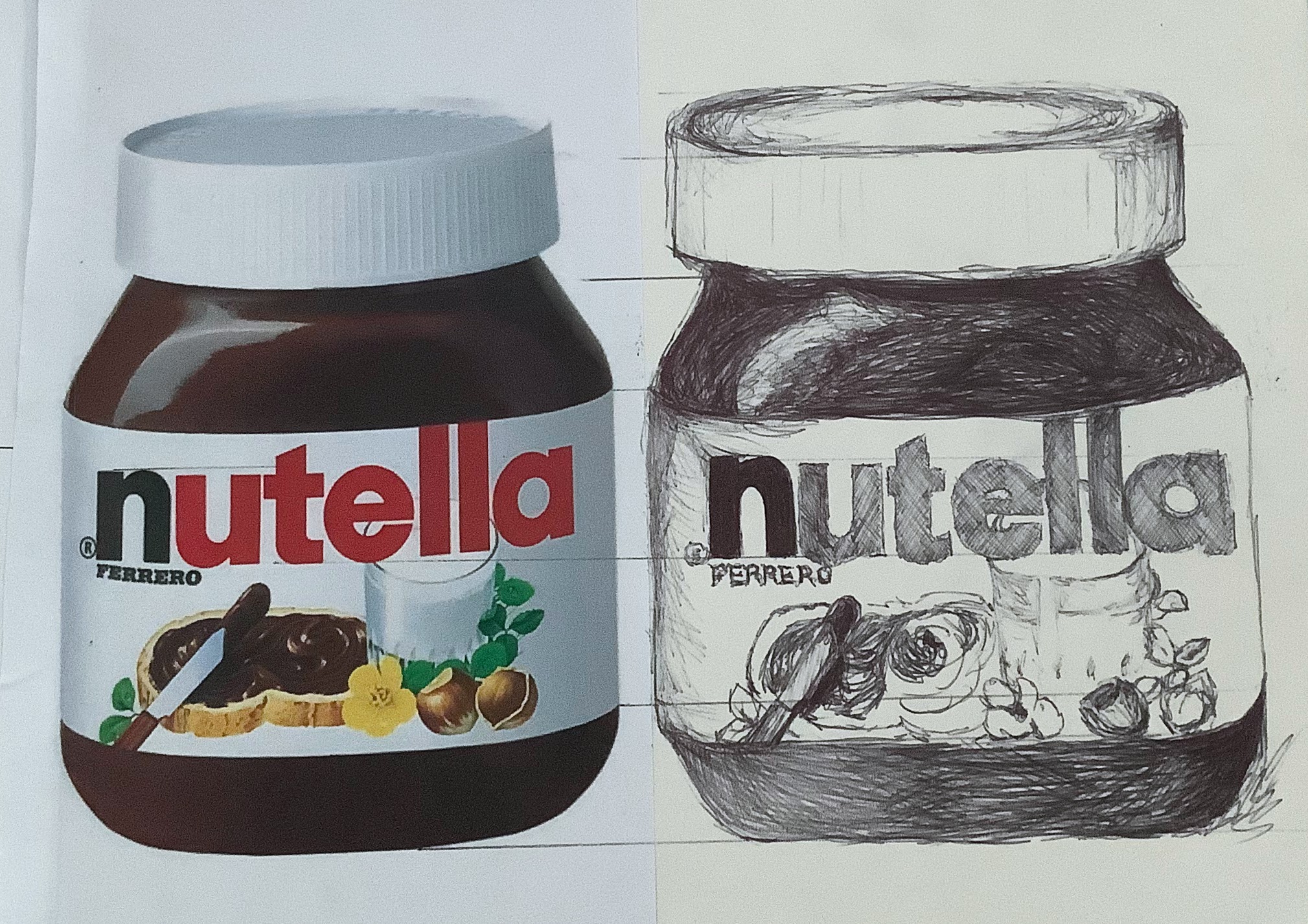

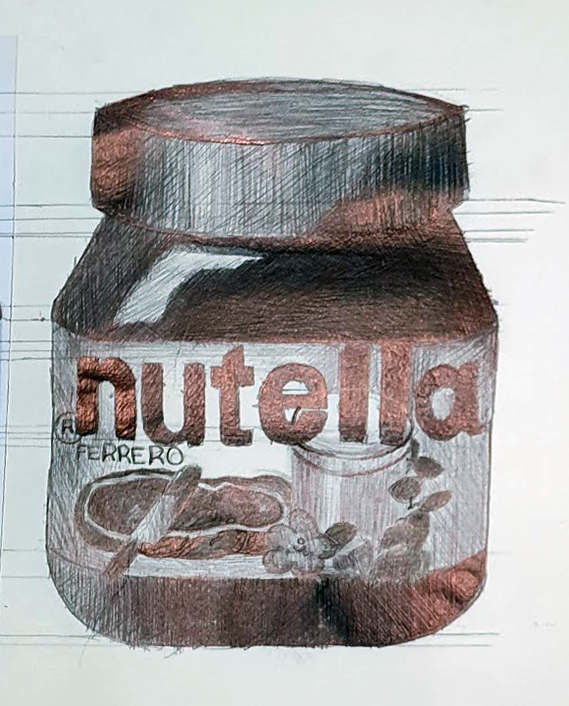
These drawings only lasted for one or two lessons (the clay was fired and ready to paint after that) but the scheme of work presentation still includes all of the relevant slides:

Art Teachers!
I have put together a drawing lesson related to the artist Nicola McBride. The lesson explores drawing using pen, different techniques and has drawing exercises.
A few students completed their pen work quite quickly, so I had an extra ‘extension task’ ready for them: using acrylic. This gave students the chance to try out the acrylic paint before using it on their clay pieces. We don’t have glazes in school – sad times.
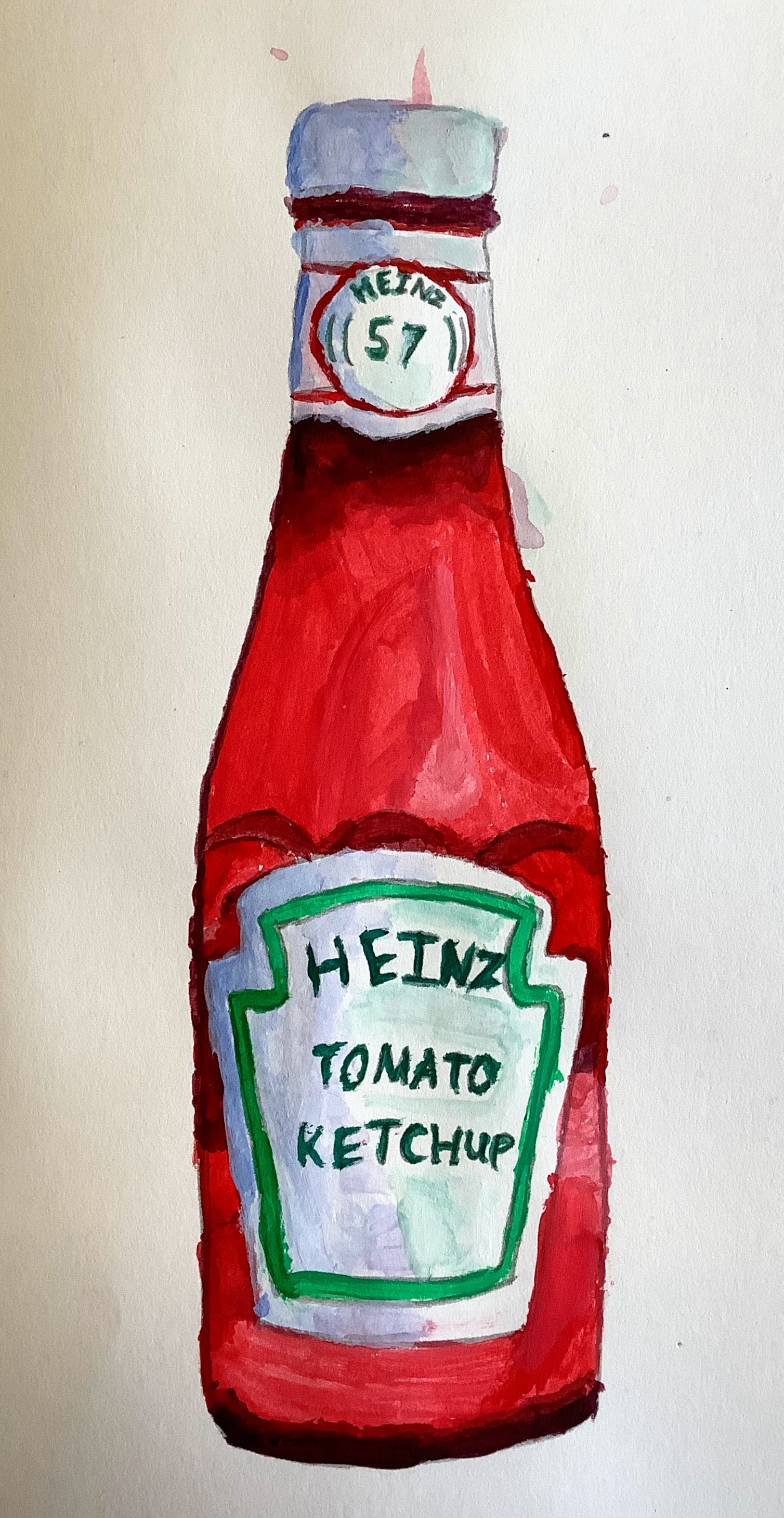


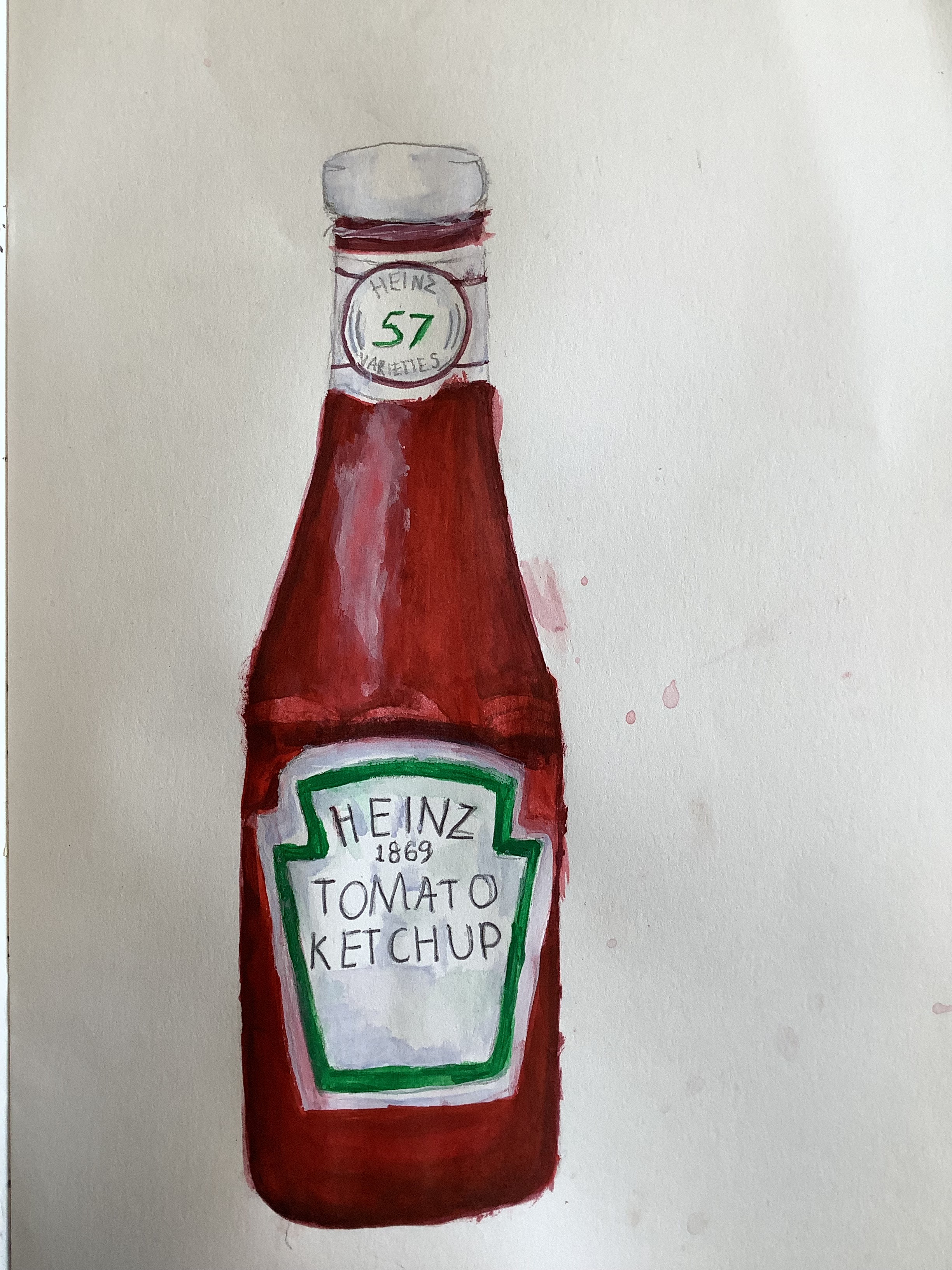
By this point in the project, students had experienced building their bottle / jar in clay, drawn their chosen condiment using pen and finally had a go at painting using acrylic.
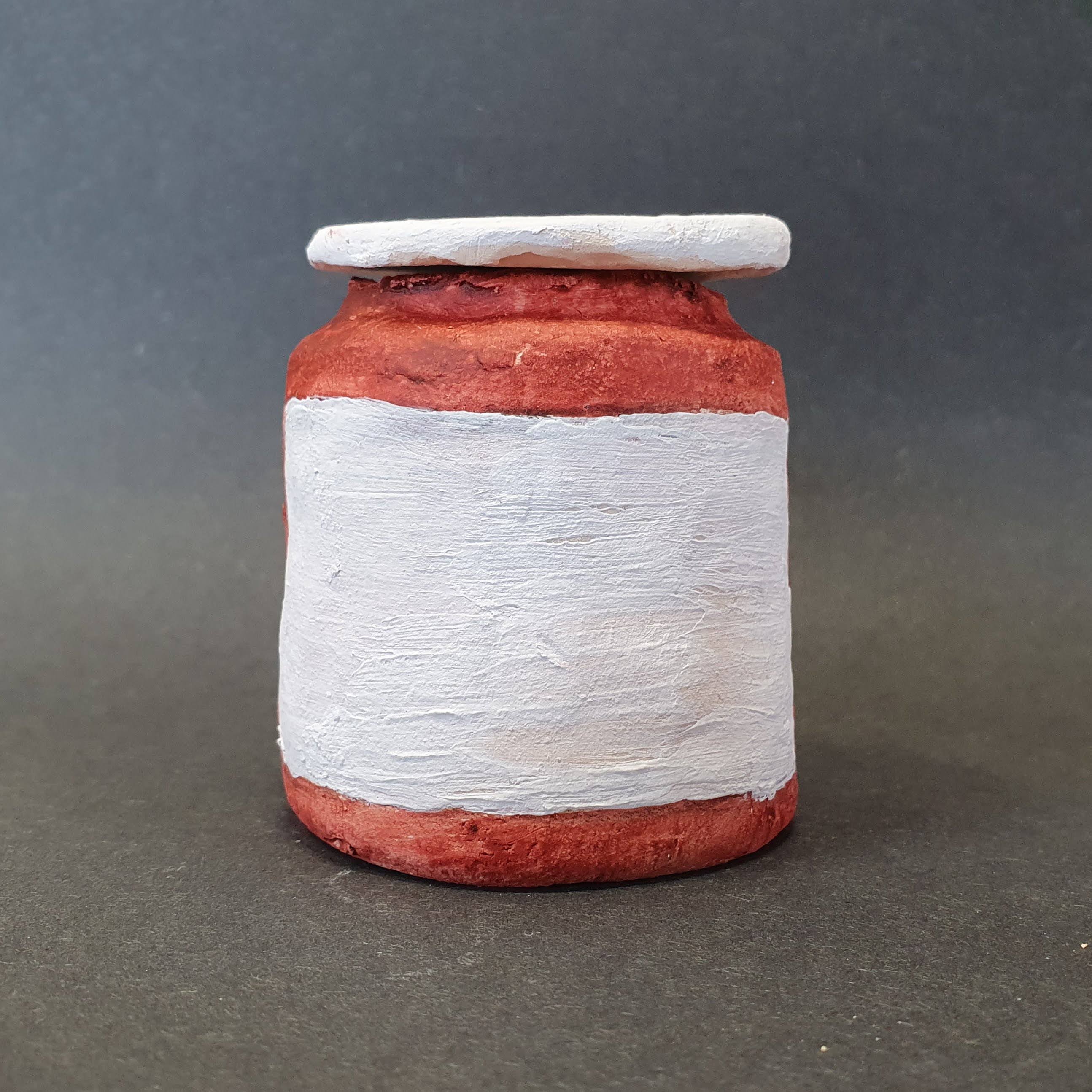
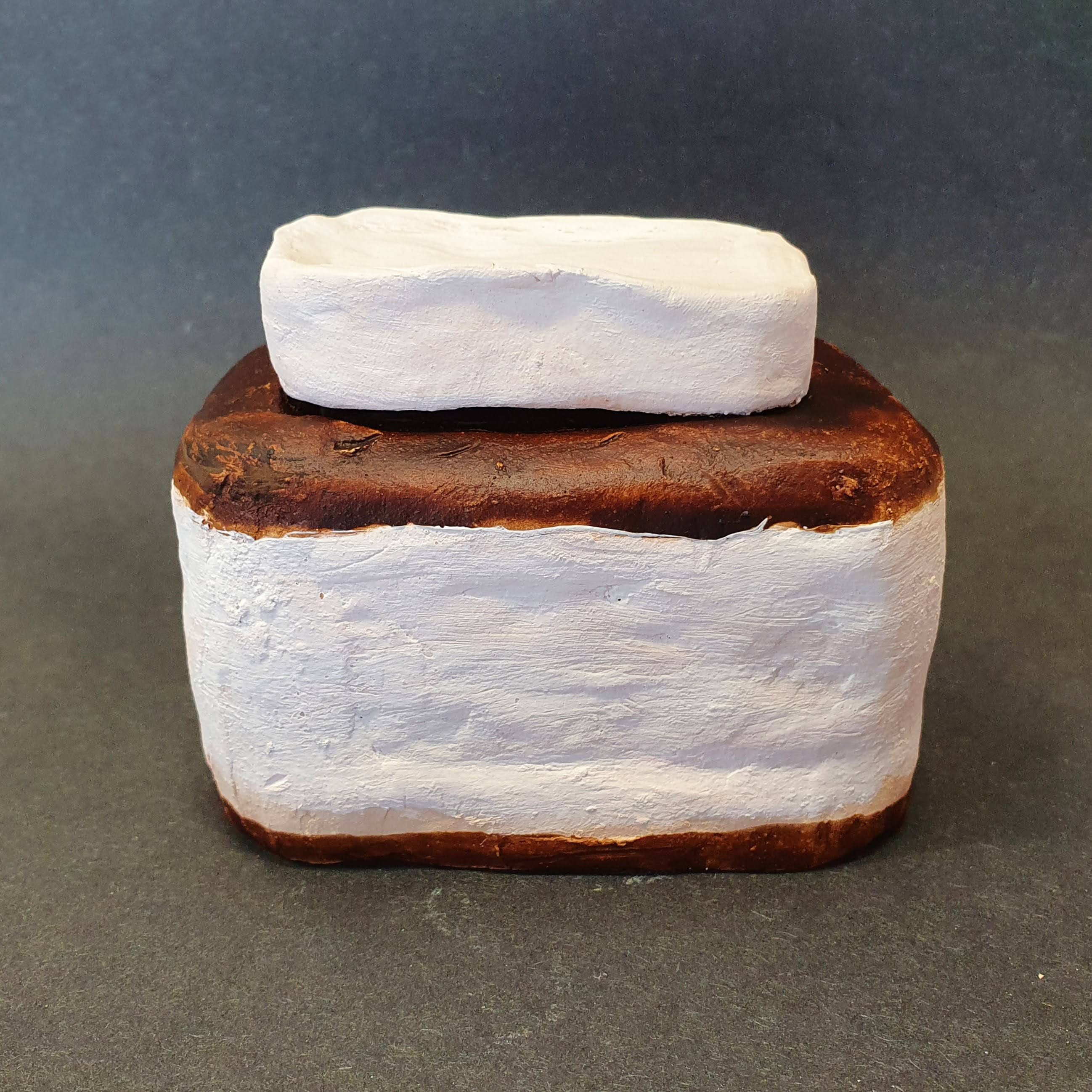
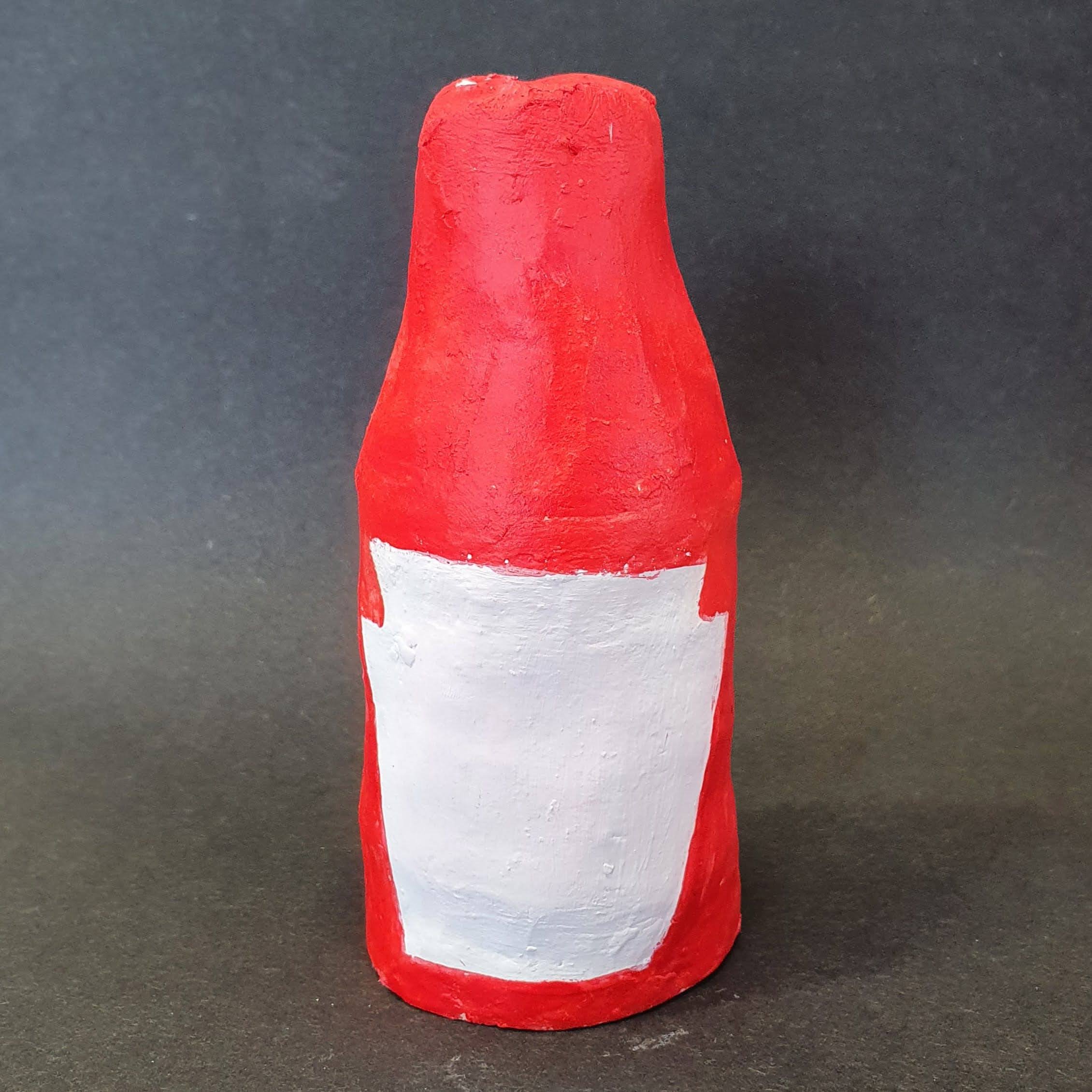
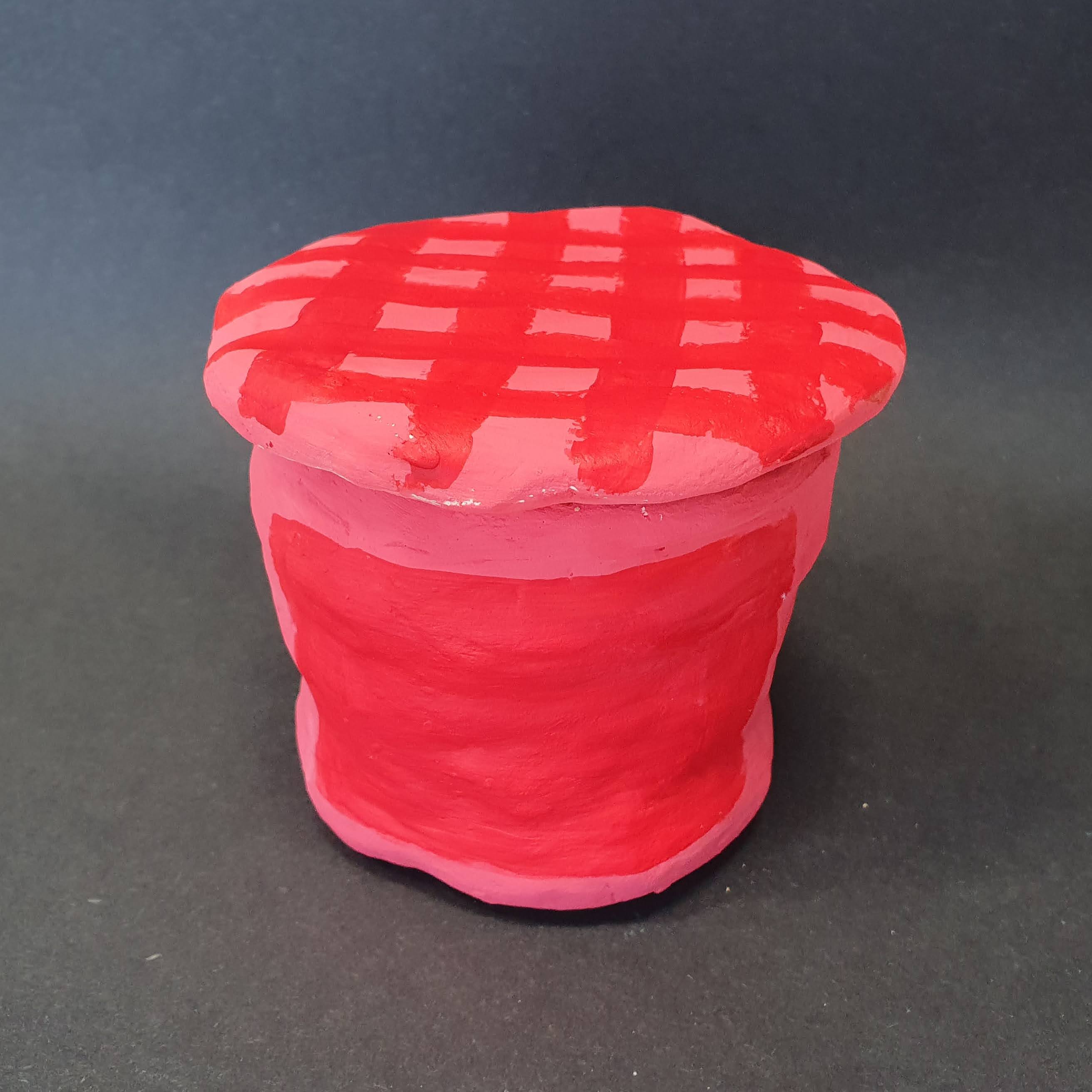
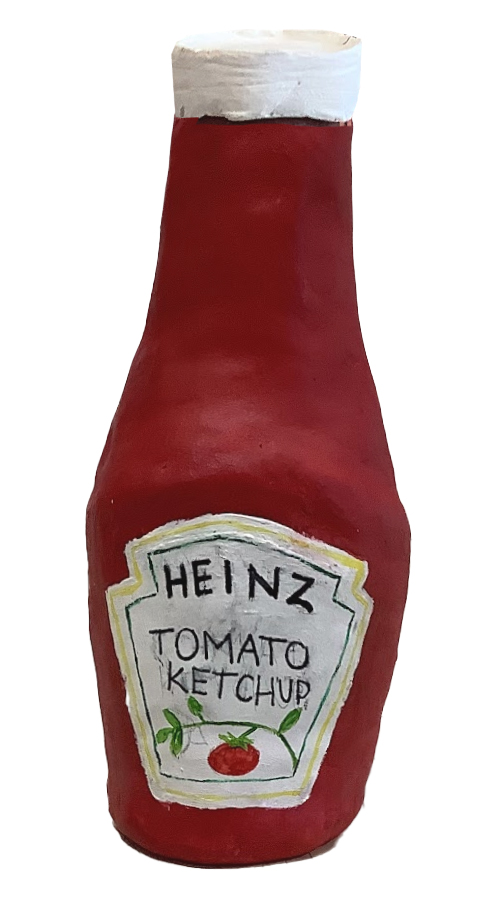
As we don’t use glazes in the department, the final set of lessons were about applying solid base colours of acrylic paint and then making their labels look as professional as possible. This was probably the most challenging part for students, but I think they did a brilliant job overall.
Here are some partly painted clay pieces:


I’m sharing more resources over on my Instagram – feel free to ask any questions or get in touch there.
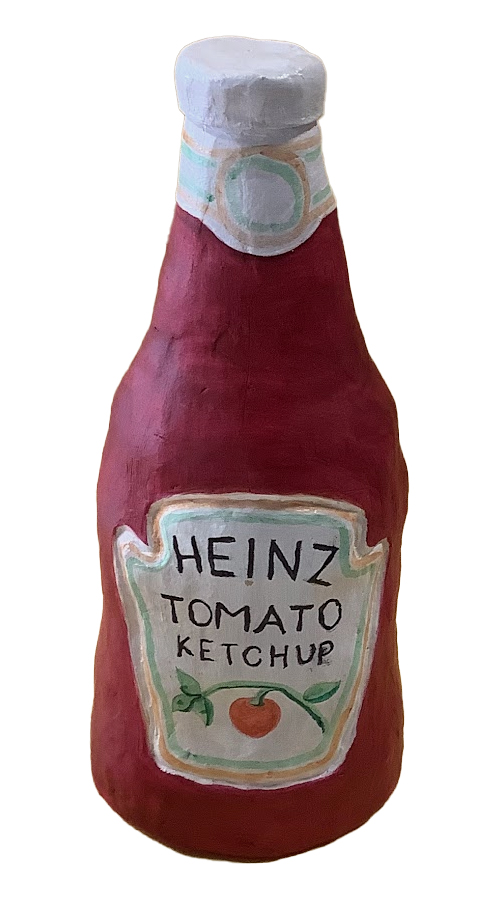
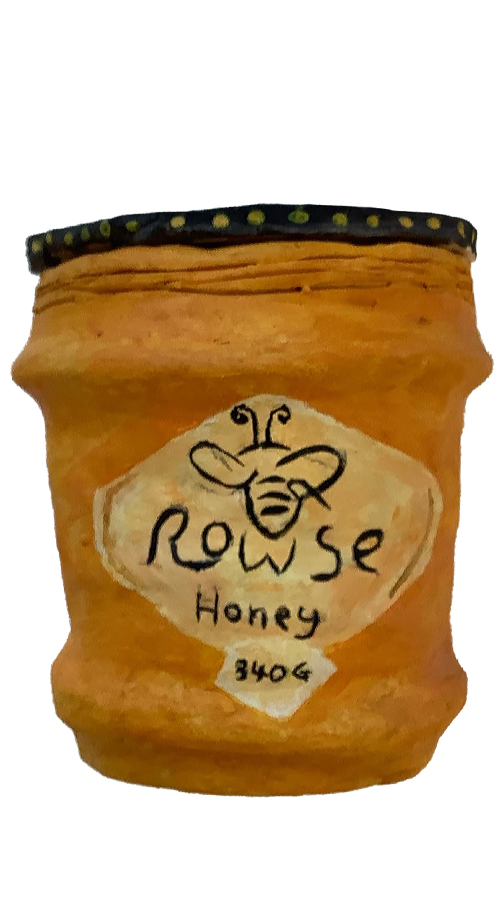
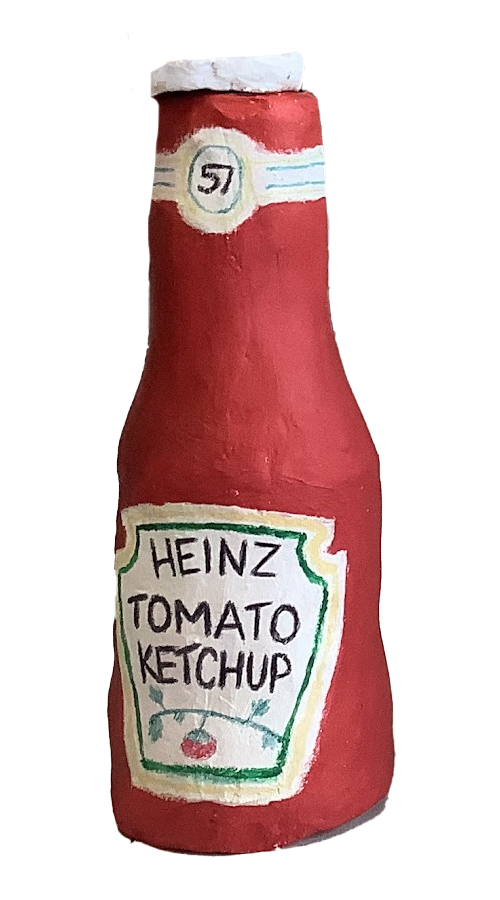
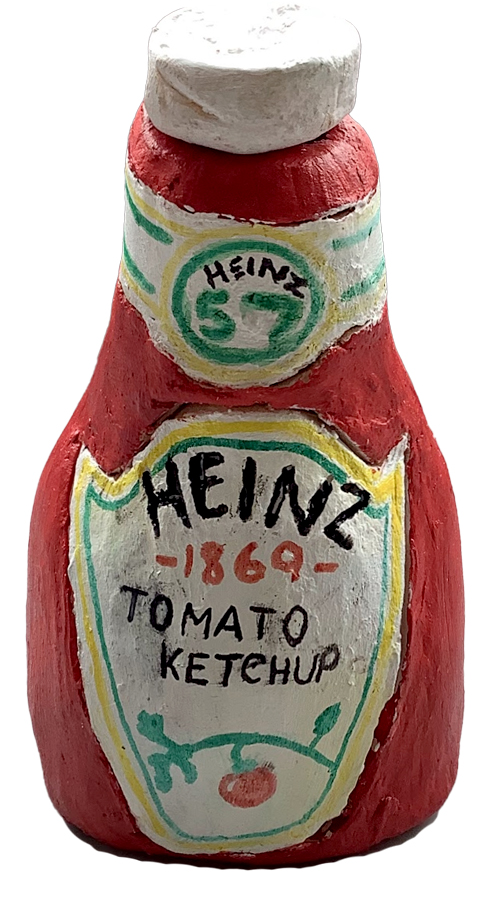
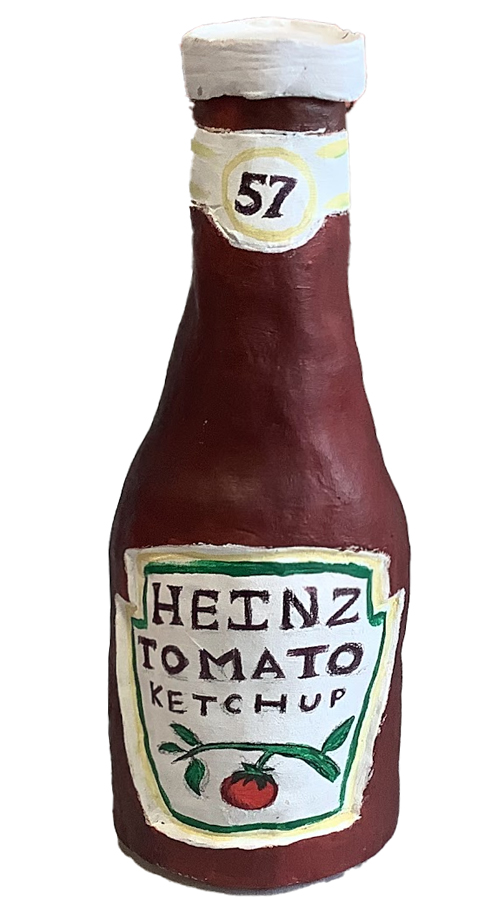
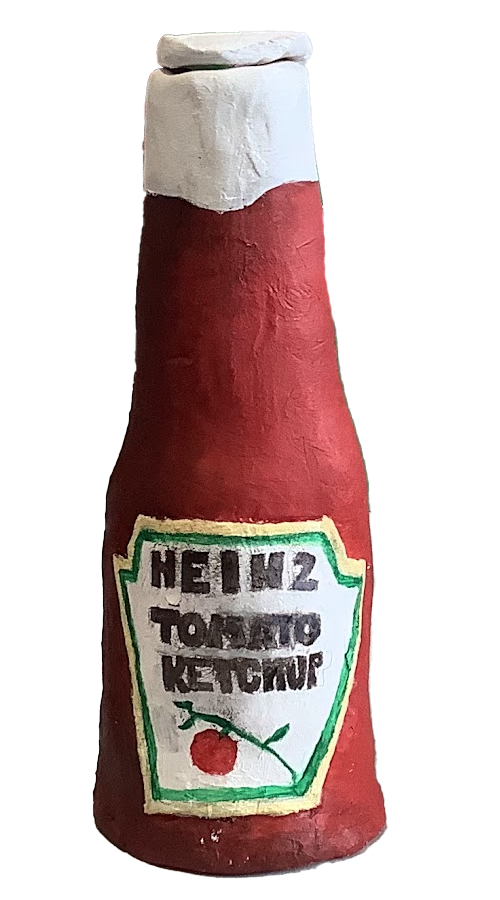
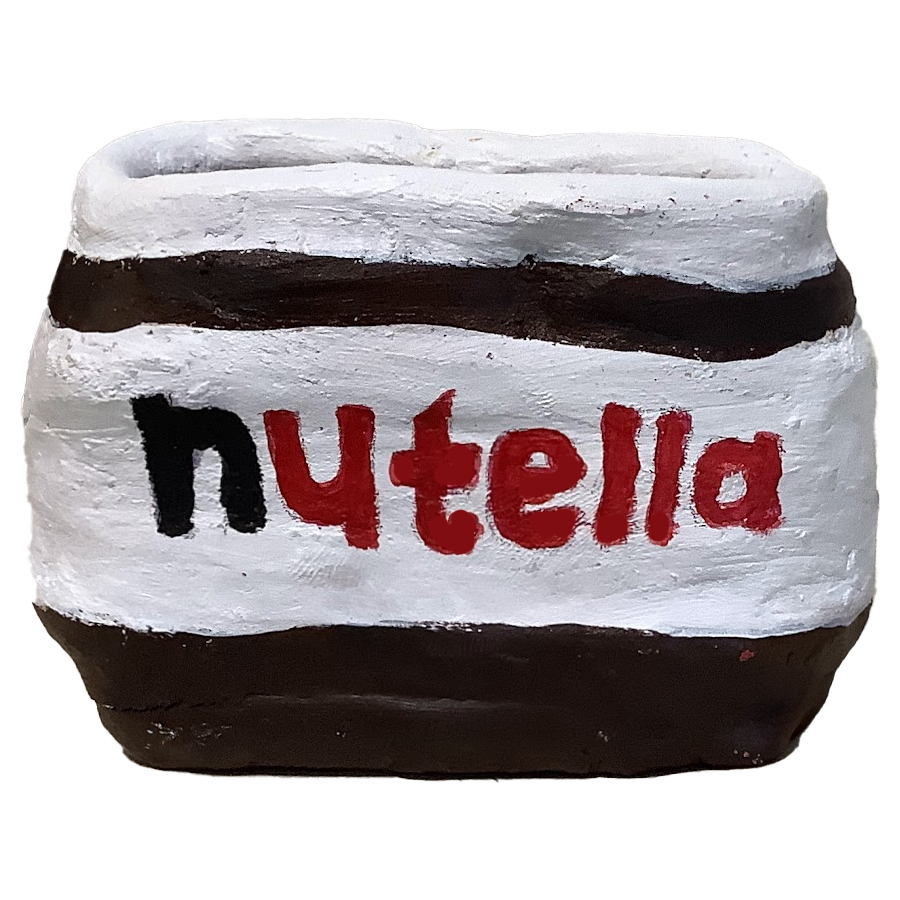
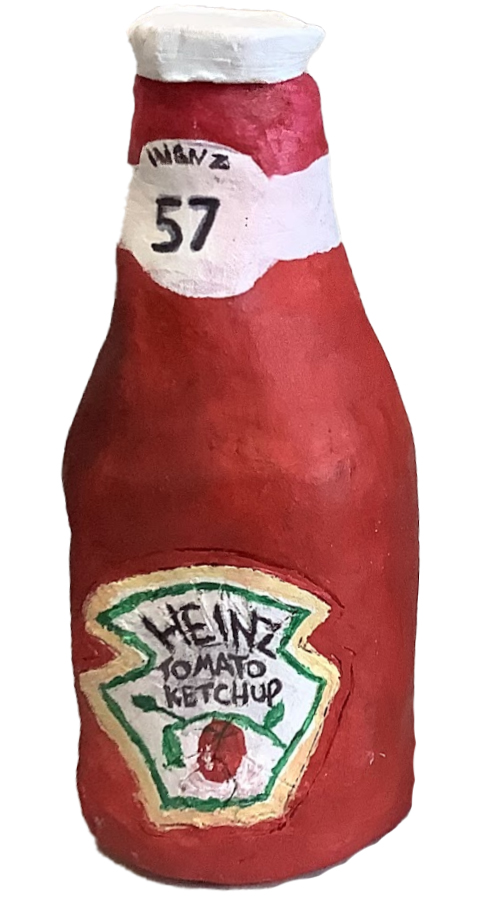
And finally, here are some of the clay outcomes, which I adore 😍 I love how some students created their favourite drinks and really tried hard to capture the details on the labels. What do you think?





The full project presentation is available on TES or TPT – enjoy!

