I love this painting project because it introduces basic colour theory and you can add a range of different challenges each lesson. By the end of the project students are able to identify and mix paints to correctly have secondary and tertiary colours, and use their knowledge to create unique and vibrant final painted outcomes.
This art project is for Key Stage 3, but in school we teach it in line the the GCSE Art Assessment Objectives: students research an artist (Carolee Clark), they experiment painting with colour and drawing, they research their own ideas (using their own photographs), they design and then make their final piece.
Students start the project by researching artwork by Carolee Clark:
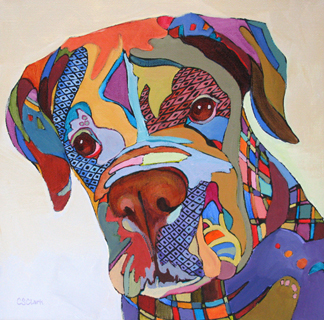
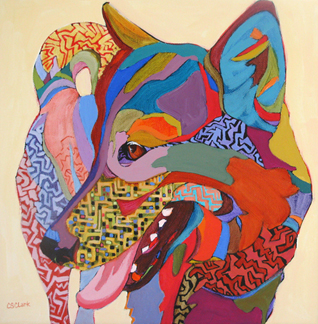

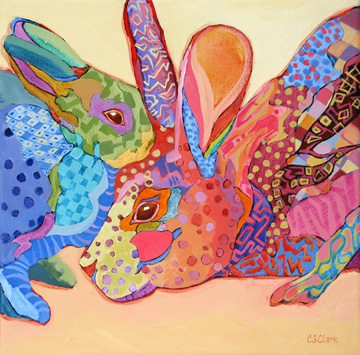
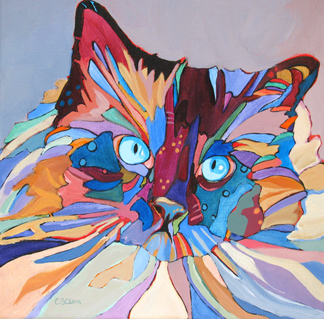
Students should identify the use of colours and patterns, noticing how the cooler colours are used for shadows and warmer colours are highlights. We have students create their own research pages about the artist but they could work in teams/tables to complete analysis sheets or homework etc.
Students then complete a series of tasks to practice mixing tints, shades, secondary and tertiary colours:

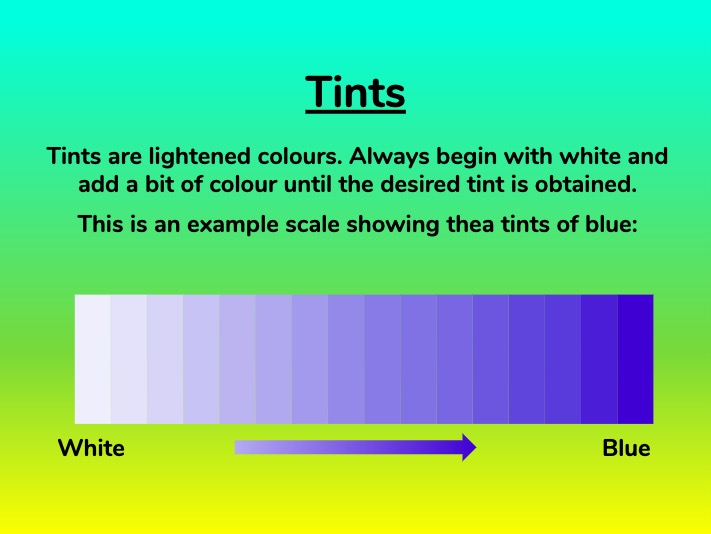
This is followed by going through some basic colour schemes such as warm and cool, harmonious and contrasting colours.

Students are given a homework to bring in a photograph of their own that they would like to work with; this is really good for engagement as most students choose a picture of their pet or an animal they love!
You can differentiate this by giving students pictures to work from if their own aren’t great or clear enough to use.
Using their homework, students trace the outline of their animal (I had students up against the windows in the classroom) then start to add the main features (ears, eyes, nose, mouth etc.)
You can set a challenge for more able students to draw out their animal without tracing, but since this wasn’t a drawing project I wanted to get students into painting as soon as possible.
I then introduced the concept of contour lines, demonstrating and explaining to students that they should add lines and shapes to fill any big white spaces on their animal.
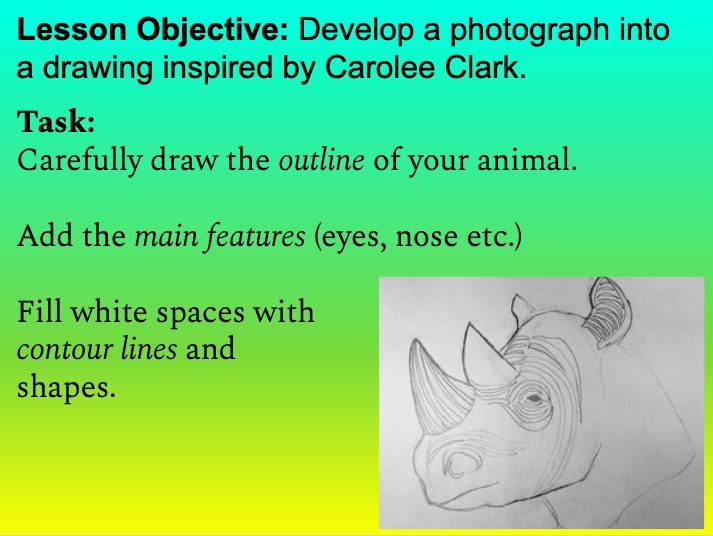
Once all the animals are drawn / traced out and students have added contour lines and shapes to fill their drawing, they can start to paint. I had to photocopy all of their drawings onto thicker paper which is a bit time-consuming but worth it to maintain the quality of their work.
To begin painting, students work from their animal photographs and identify the shadows, highlights and midtones. In each section they try to use:
Cool colours = shadows
Warm colours = highlights
Neutral (greens and tertiary greens) = midtones

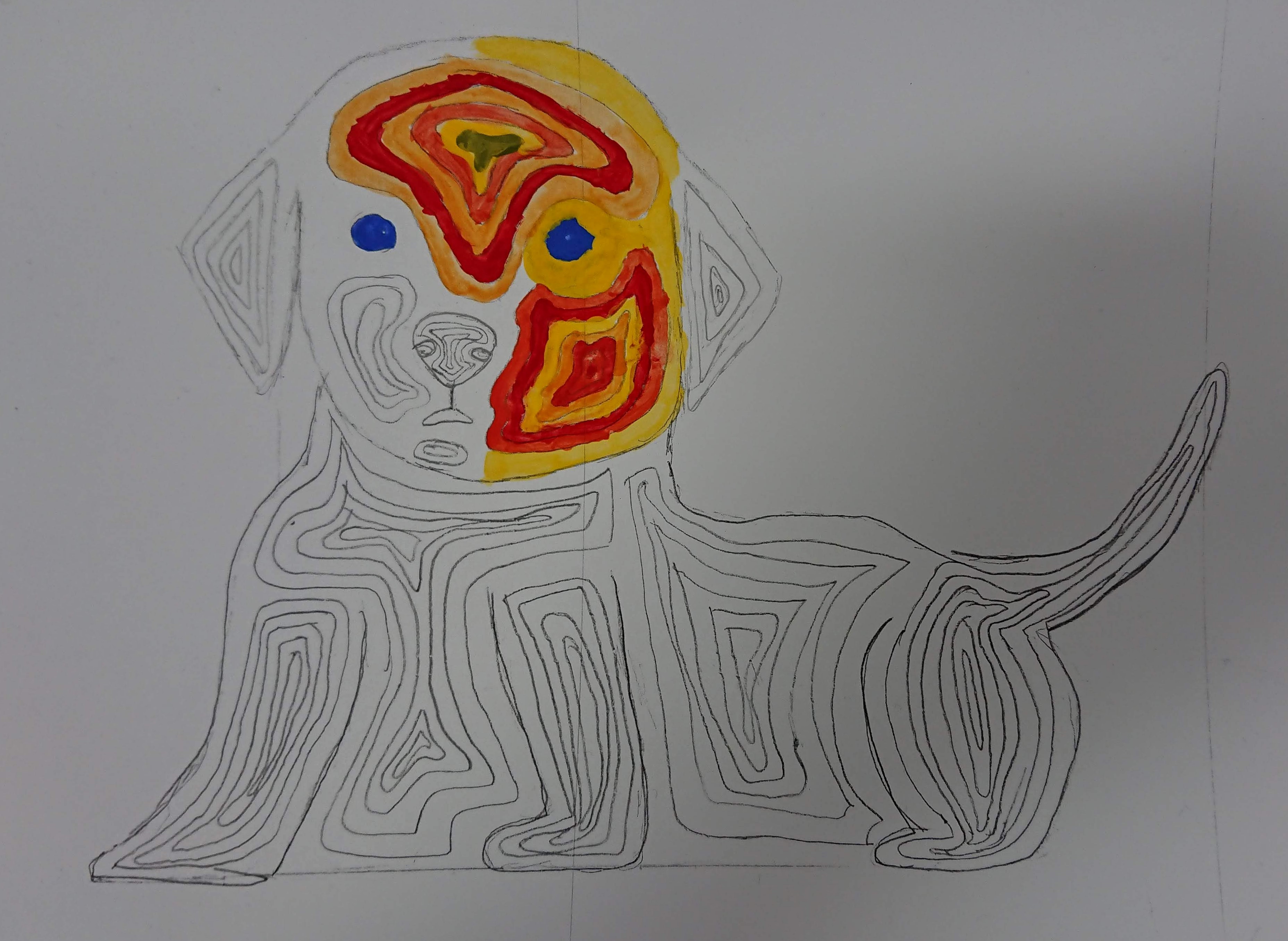

We used A4 size for the artworks, so the challenge in the practical lessons was to paint accurately. Each lesson I would demonstrate how to paint into the small shapes as accurately as possible, using smaller brushes really helps; in school we use these man-made fine round brushes which are not bad, however I found that the aluminium ferrules come loose quite easily.
If you’ve got the budget (!) something like Windsor and Newton round sable brushes are much better quality.
Students worked on their paintings each lesson, learning and practicing how to mix secondary and tertiary colours. To add more challenge to the painting, we had a rule that students shouldn’t paint the same colour next to each other.

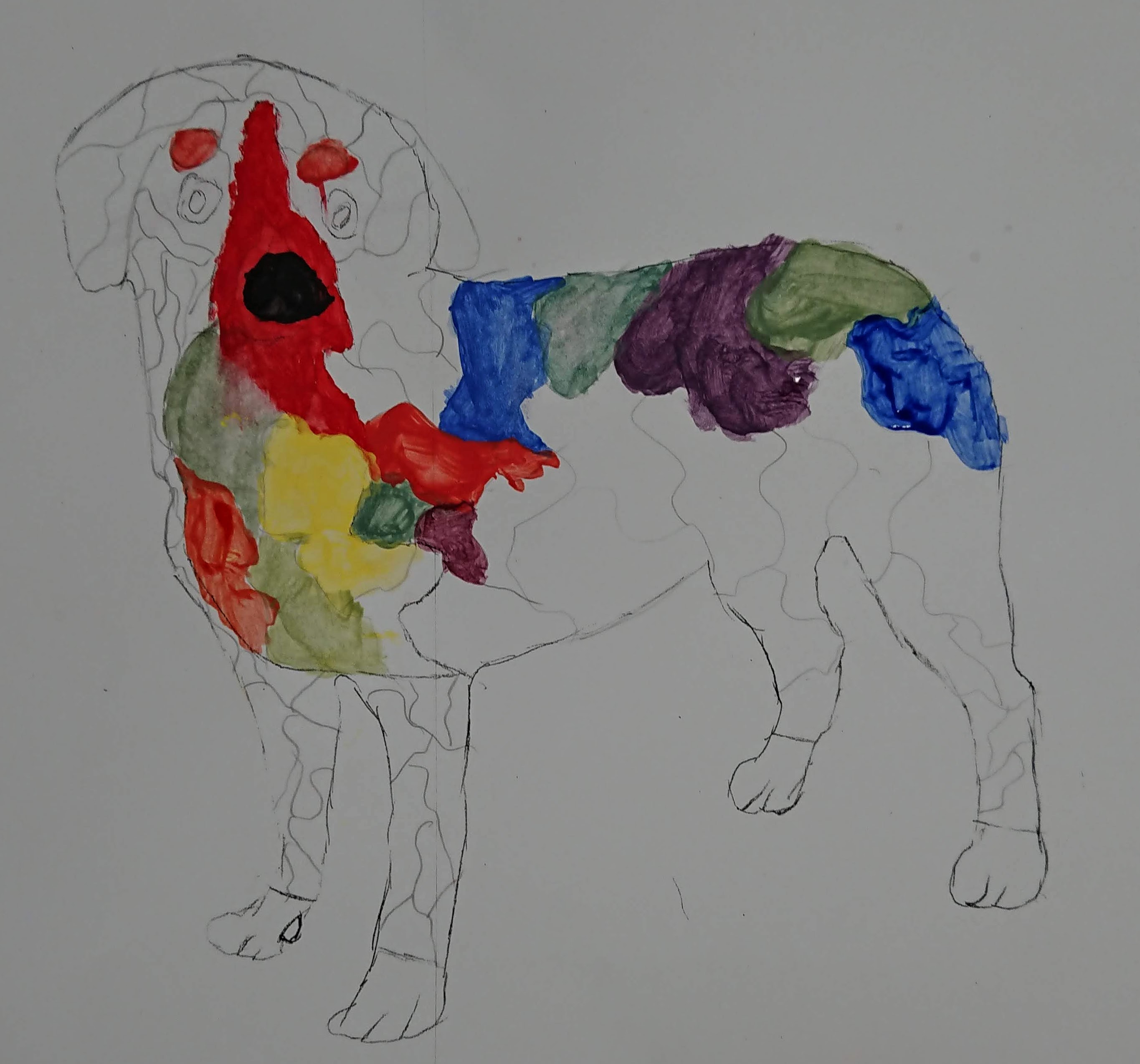
Some of the students struggled with the different challenges: either painting accurately, not having the same colour next to each other or drawing in their contour lines. Some ended up filling their animals with different shapes (rather than following the flow of the outlines):
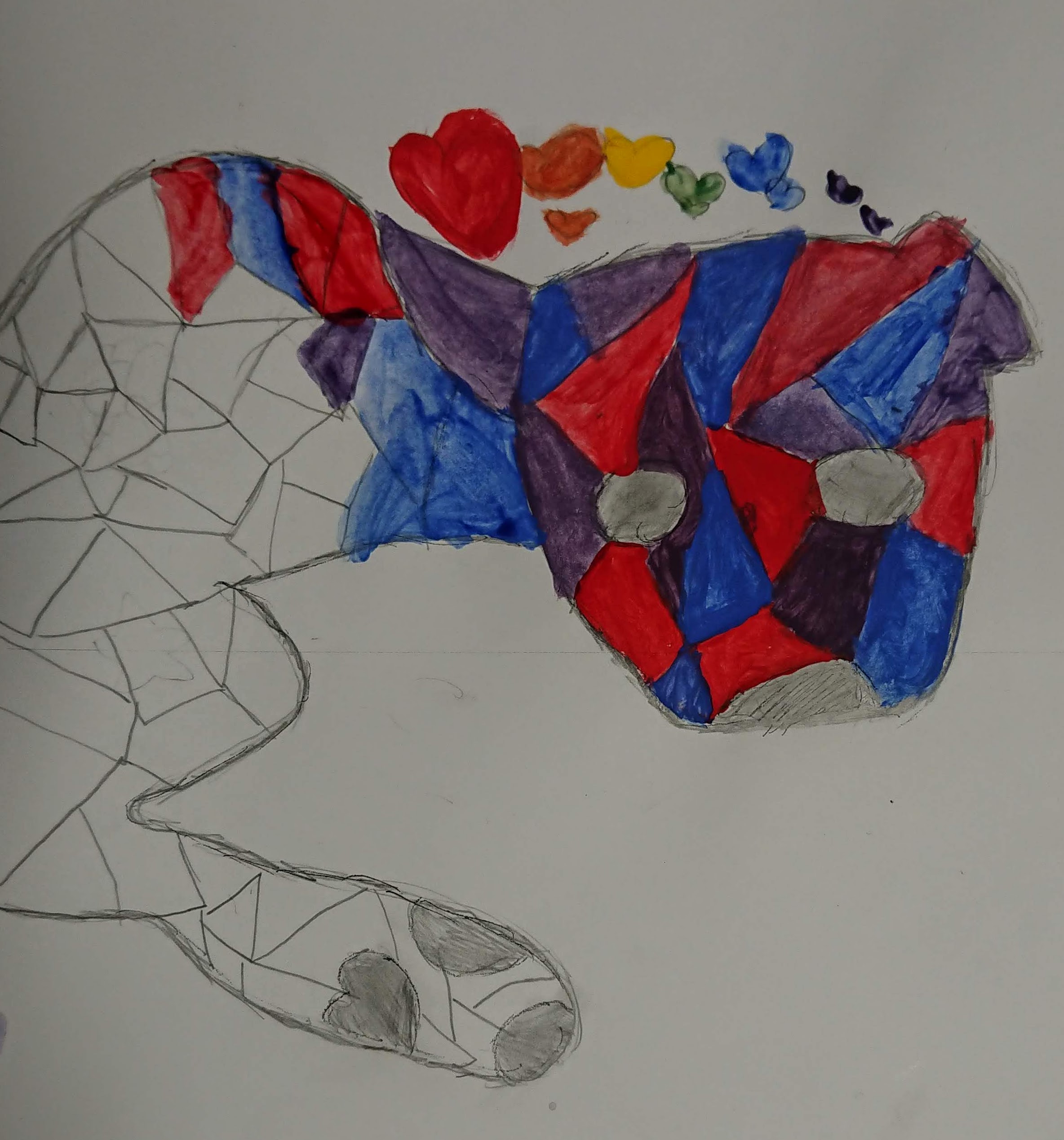
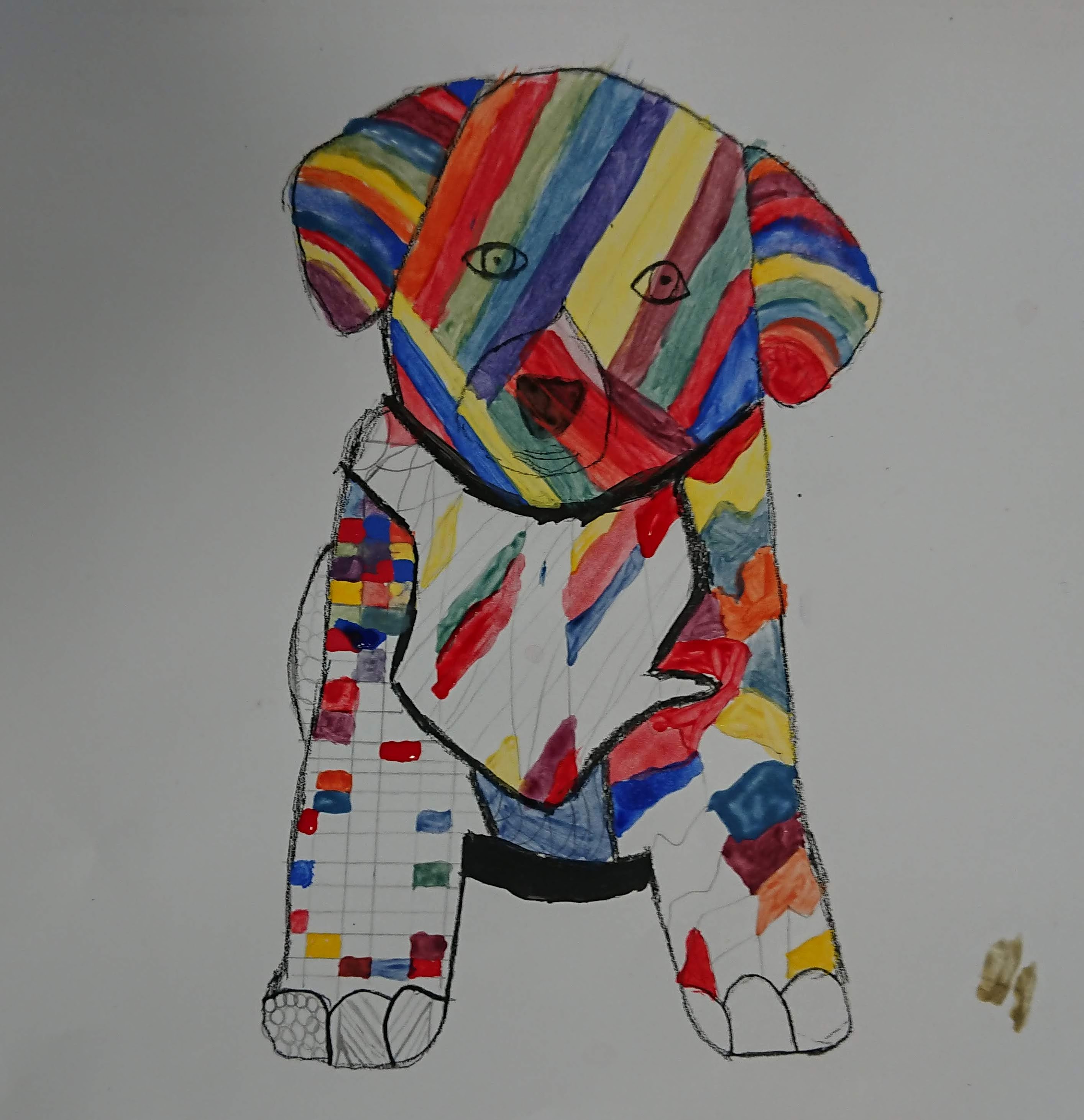
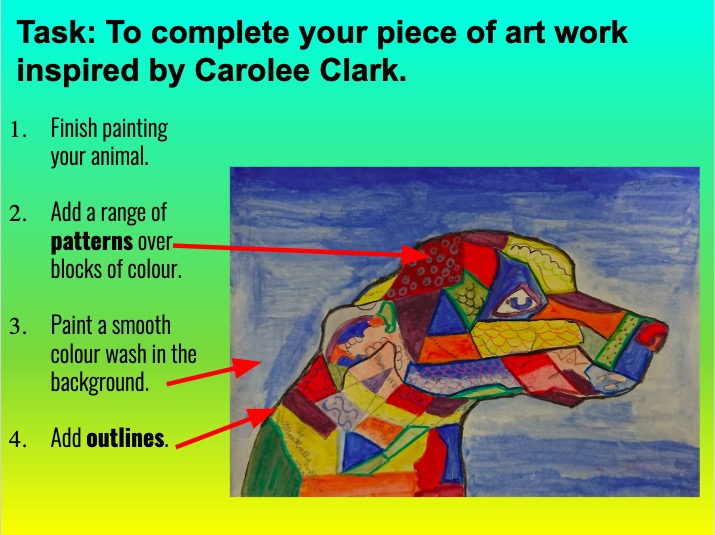
Any mistakes were used to set targets through self-assessment, peer-assessments etc. so students could work to make improvements each lesson. The last few steps of the project were to add patterns, then outline the main features of their animals.
Again, this step could be differentiated to increase the challenge by asking students to only work with contrasting colours when adding patterns.
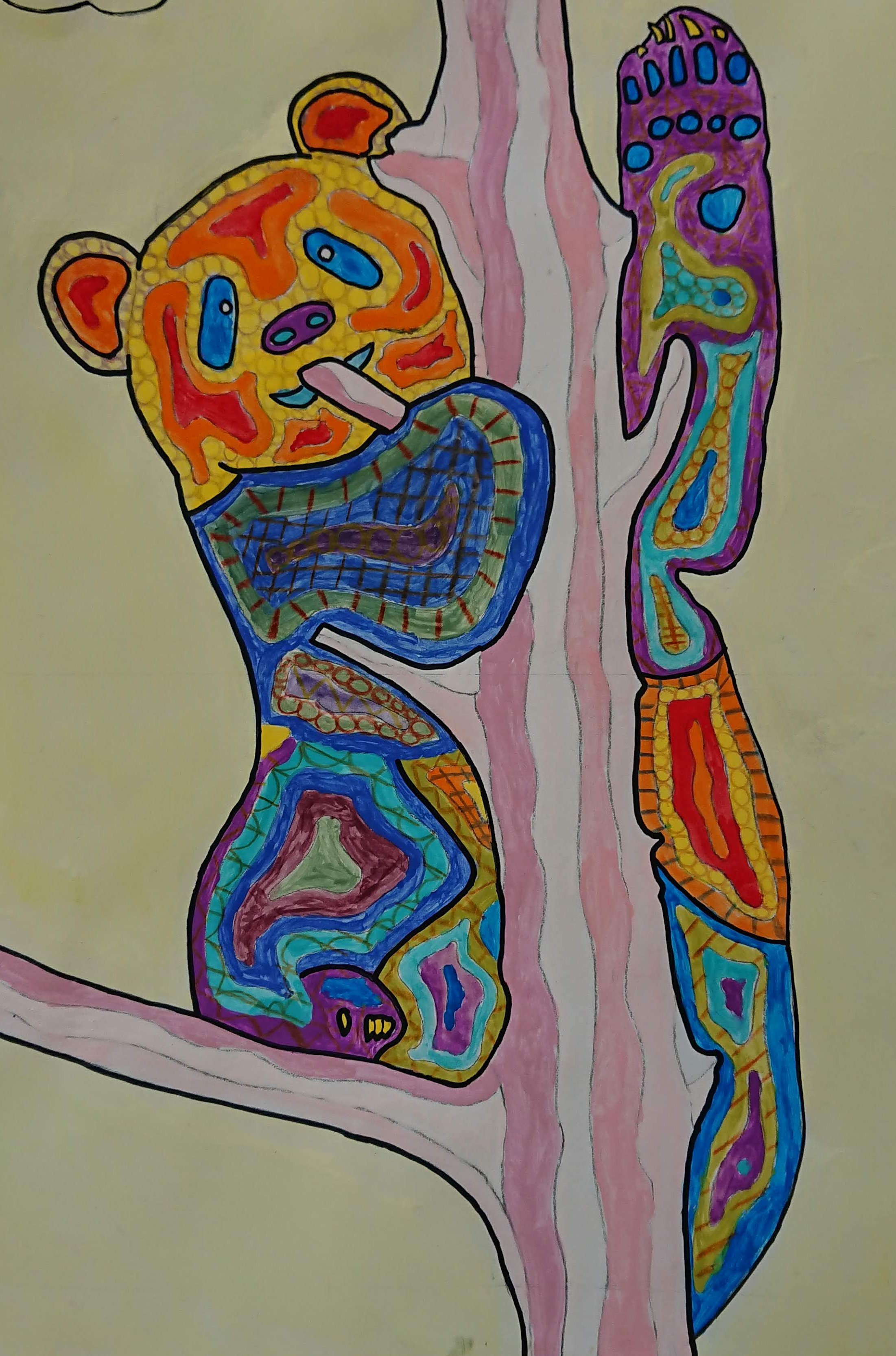
I had a lot of students asking if they could take their work home to complete, so I think that’s a good sign that they enjoyed the project! They worked really hard on them and have created some outstanding work!
I have this scheme of work available to share, so if you would like it please leave a comment or drop me an email and I can give you access to the PowerPoint.
What do you think of the work? Let me know!

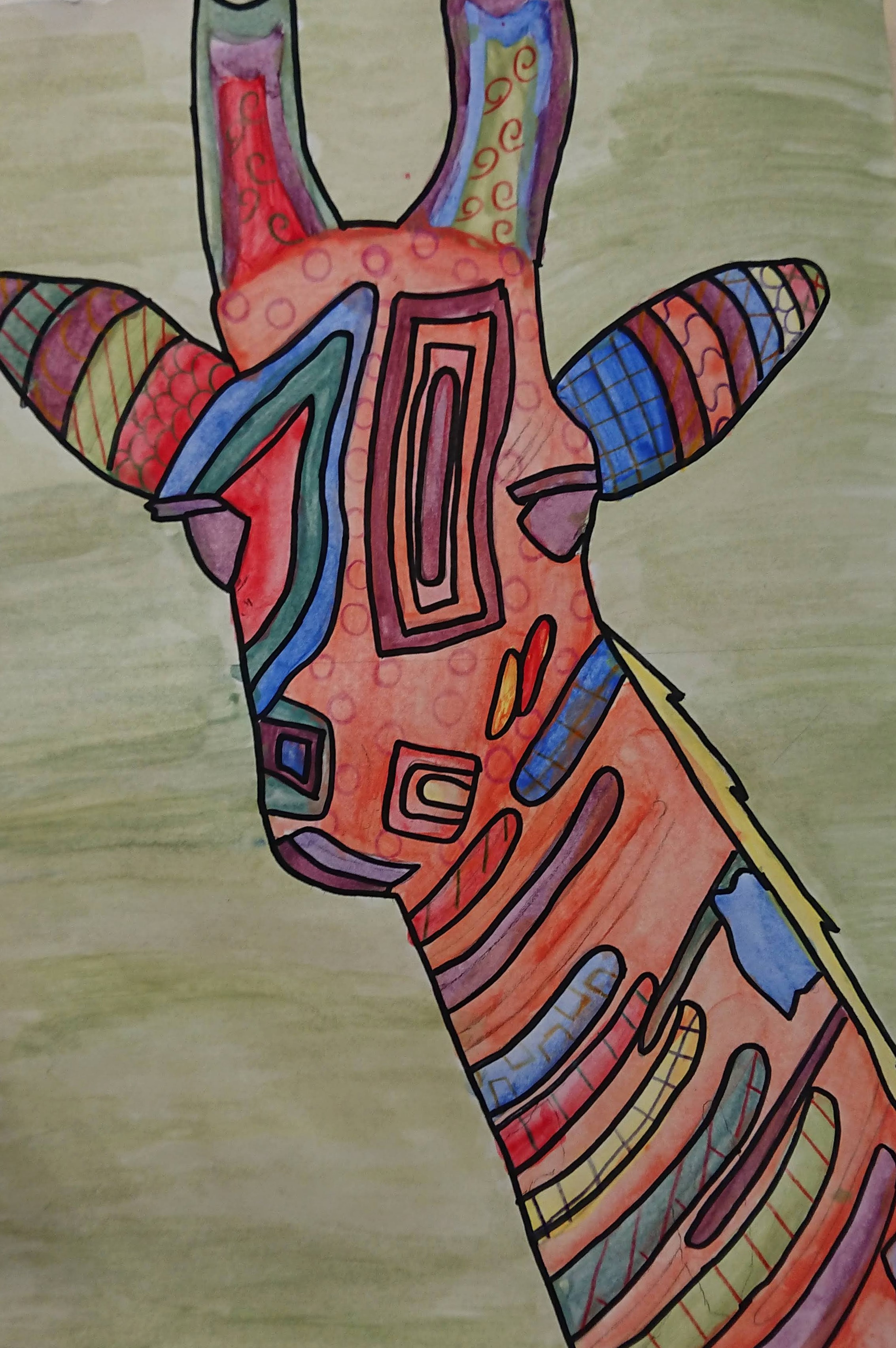

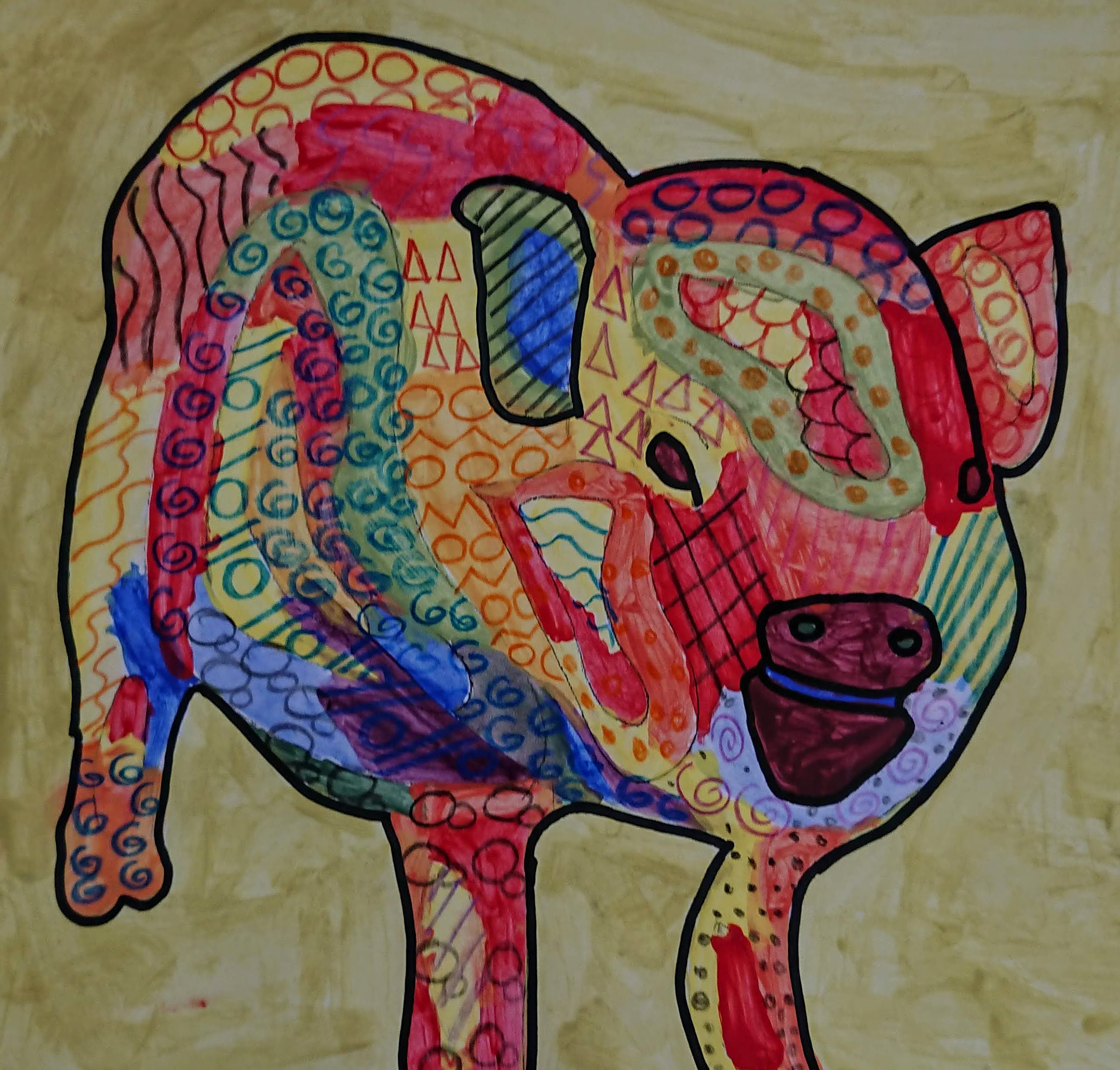
Found on theartteacher.net 🎨
Tweet


What a lovely project, please can you share the slides ? 🙂
LikeLike
Glad you like the look of it 🙂 I just sent it to you.
LikeLike
i would really love to use the Slides too please!
LikeLike
No problem, I just shared them 🙂
LikeLike
Hi I love this! can I please get a copy of the presentation. I am switching from the Scottish curriculum to AQA this year and this would be a great help !
LikeLike
I have just sent it over – enjoy!
LikeLike
Hello ! I’ve just stumbled across your wonderful scheme of work. I am currently teaching a class of SEND students who I think would really benefit from working through your ideas. Please could you possibly send me a copy of your PDF or PowerPoint? Thank you in advance
LikeLike
Hi, that’s so nice to hear – thanks. I hope this is useful for you and your students. I have sent the presentation over for you, enjoy!
LikeLike
Could I have this scheme of work please?
LikeLike
Of course, I have just shared it for you.
LikeLike
Hello, I love this and so will my students. I would very much appreciate you sharing it with me.
LikeLike
I have just sent it over – I would love to see your student’s work!
LikeLike
Hello, would you be willing to share your slides?
LikeLike
Of course, I have sent it over 🙂
LikeLike
Hi, are the slides still available?
LikeLike
Hi, yes I have just sent them to you 🙂
LikeLike
Hello, I absolutely love this colour theory project and I know my students will too. I would really appreciate it if you were willing to share the project and your slides with me. Thank you so much in advance!
LikeLike
Thanks! I have sent it over for you, I’d love to see how your students get on with it 🙂
LikeLike
Hi,
Wow these are fantastic, such a cool project! My daughter would absolutely love to have a go at this if you wouldn’t mind sharing?
Kind regards
Sian x
LikeLike
Hi, not at all, thanks! I have just shared the project.
LikeLike
I would also be interested in this for my intro class. Thank you!
LikeLike
I have just shared it, I hope it’s helpful!
LikeLike