There are seven basic formal / visual elements in art: Line, Shape and Form, Tone / Value, Texture, Colour, Space, Pattern.
The formal elements (also known as visual elements) are what artists consider and use when making their artworks, either explicitly or subtly. Understanding the formal elements of art is important and will help you interpret and analyse different artworks.

Get art resources sent straight to your email:
Art Teachers!
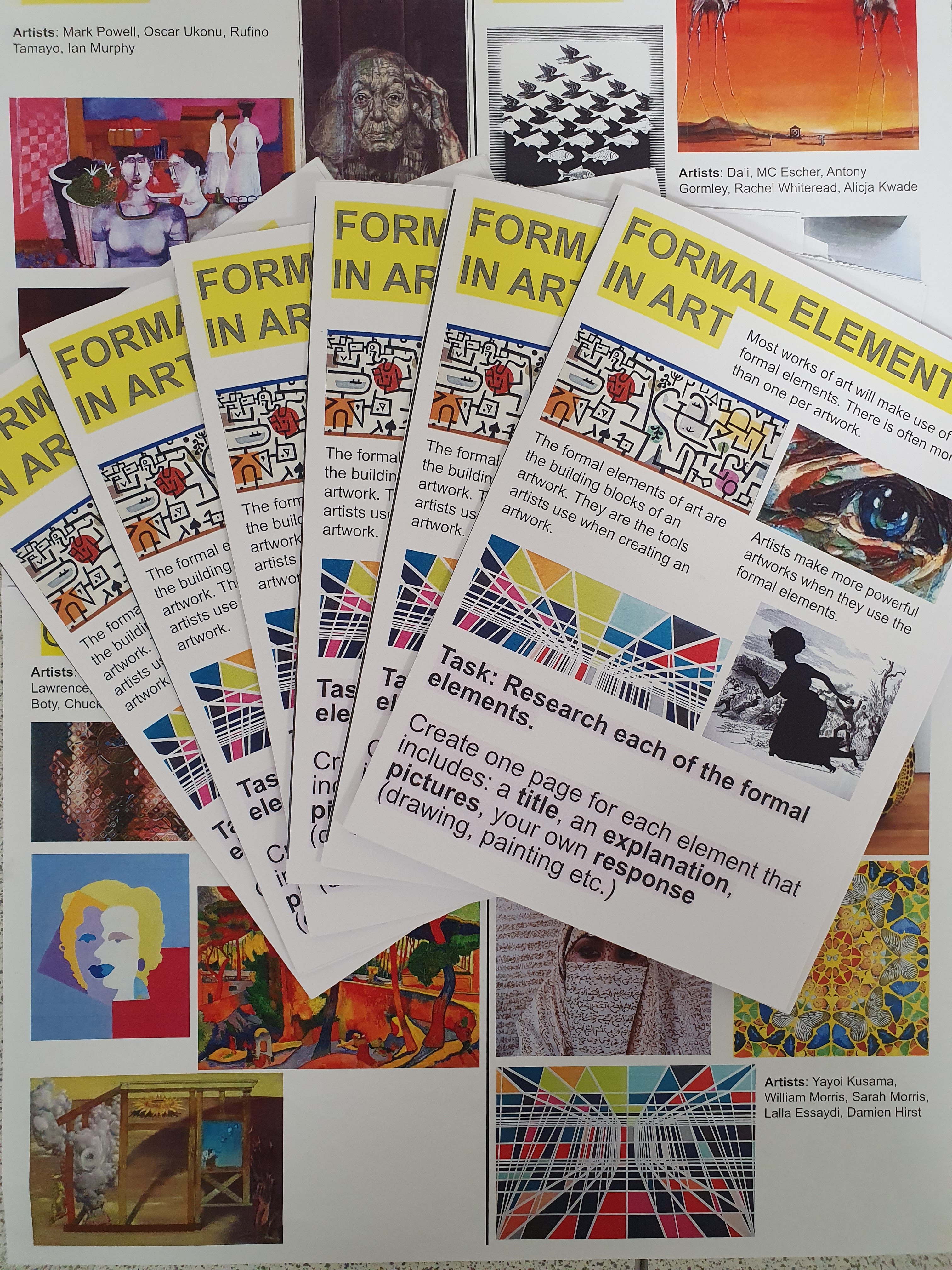
I have created a research task in the form of a printable booklet that you can give to your students. It has resources (pictures, artists and definitions) explaining the Formal Elements, and a set of tasks for students to create their own mini project.
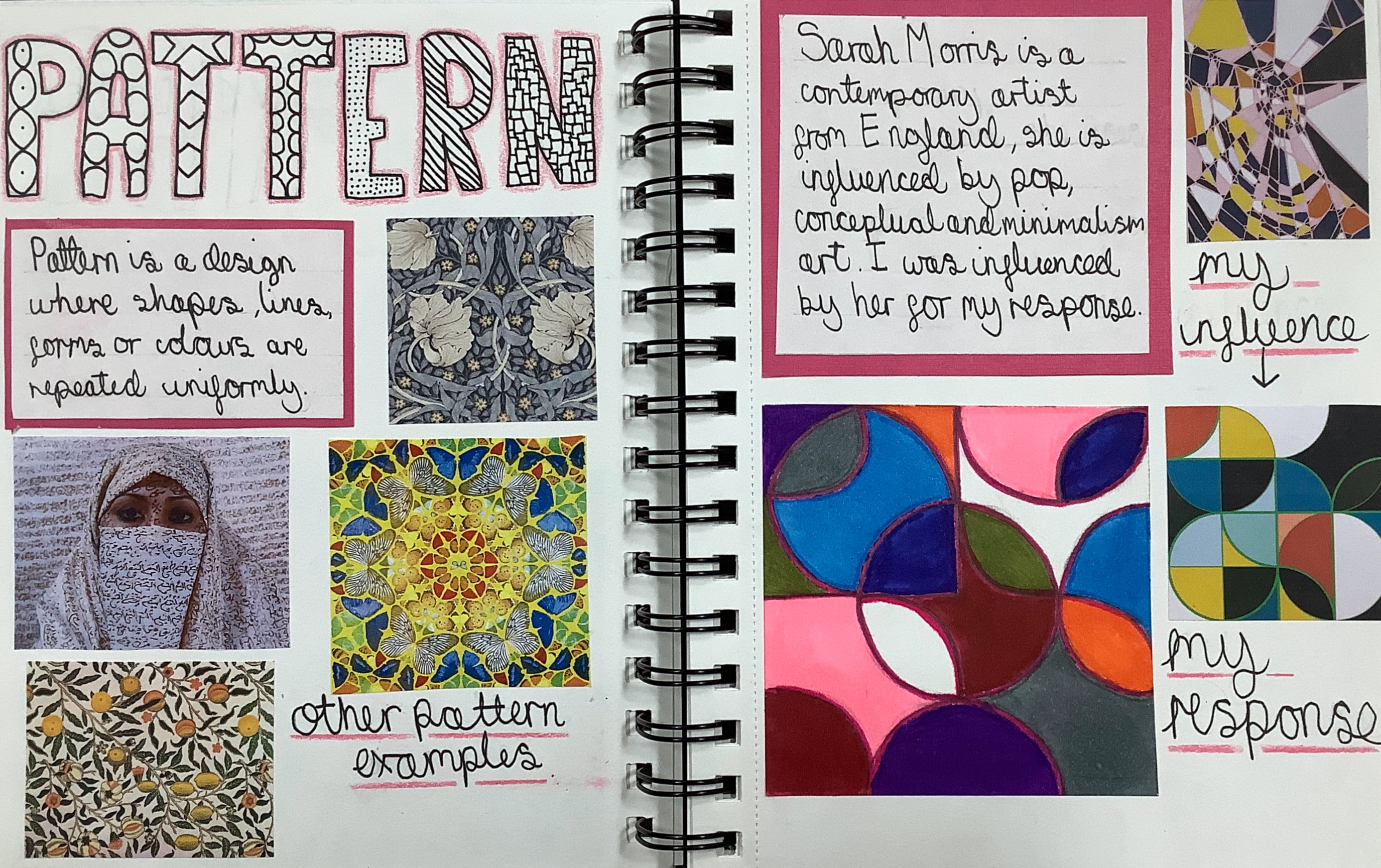
Student examples from this Formal Elements research project:


Think of the formal elements as their own language when looking at an artwork – how has the artist used colour? To convey a mood or atmosphere? How has the artist used line? To create different areas in their work?
Some artists like to focus on just one or two formal elements in their artwork, however most artworks have a mix of visual elements in one piece. Usually, there will be one or two dominant formal elements that help to convey the meaning or mood of an artwork.
A guide to the Formal Elements of Art:
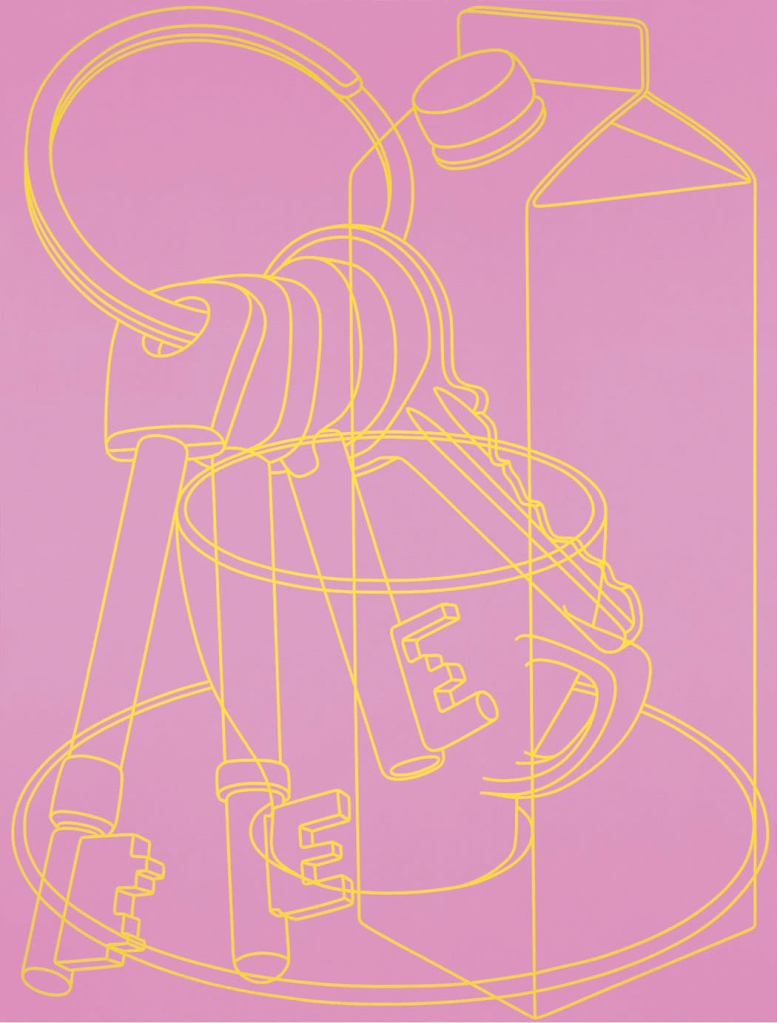
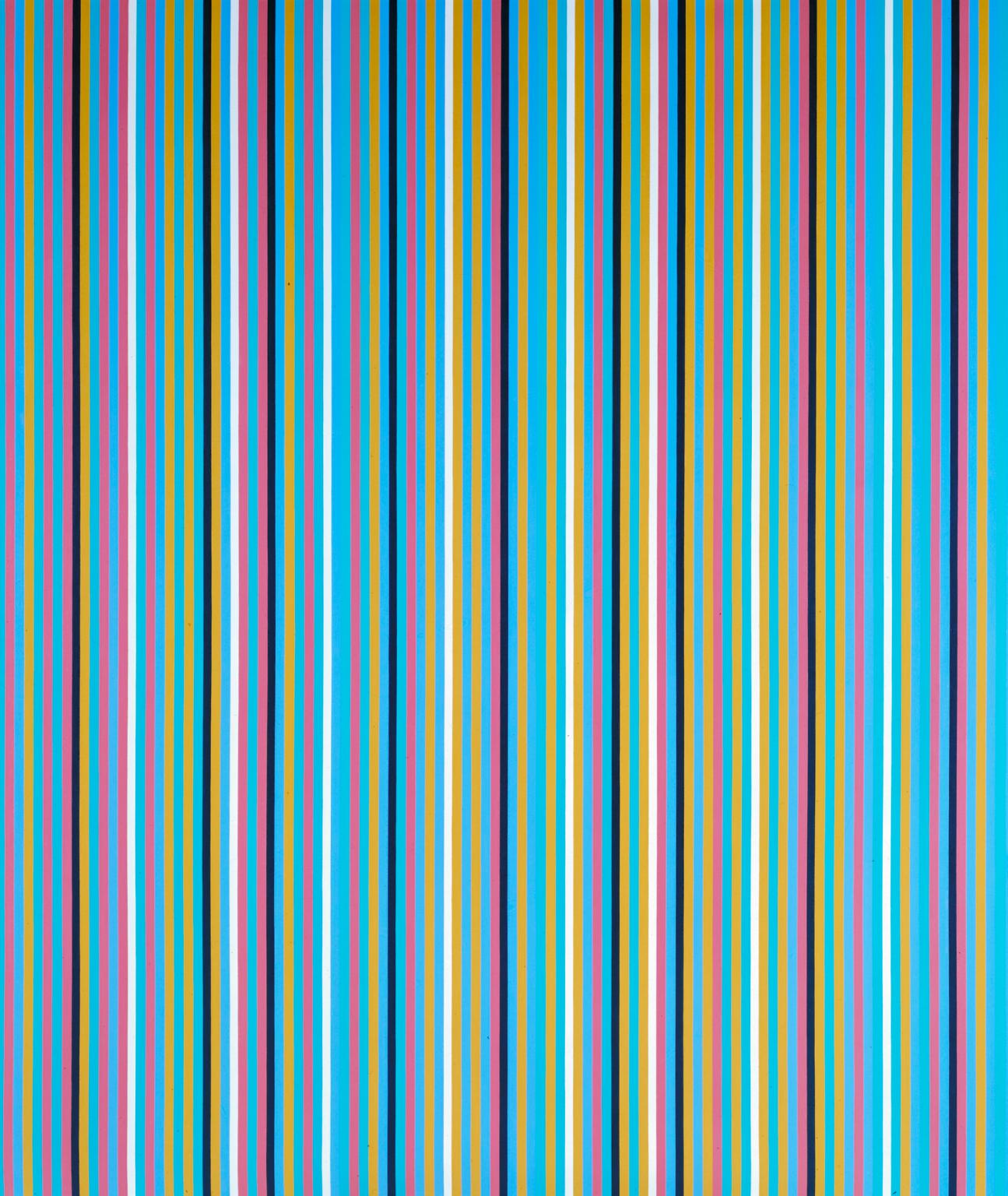
LINE:
Lines are marks made by a moving point. They can be straight, curved, thick, thin, horizontal, vertical, diagonal, dotted or dashed. Lines help define shapes and guide the viewer’s eye to a focal point in the artwork.
ARTIST LINKS:
Michael Craig Martin, Kandinsky, Paul Klee, Bridget Riley
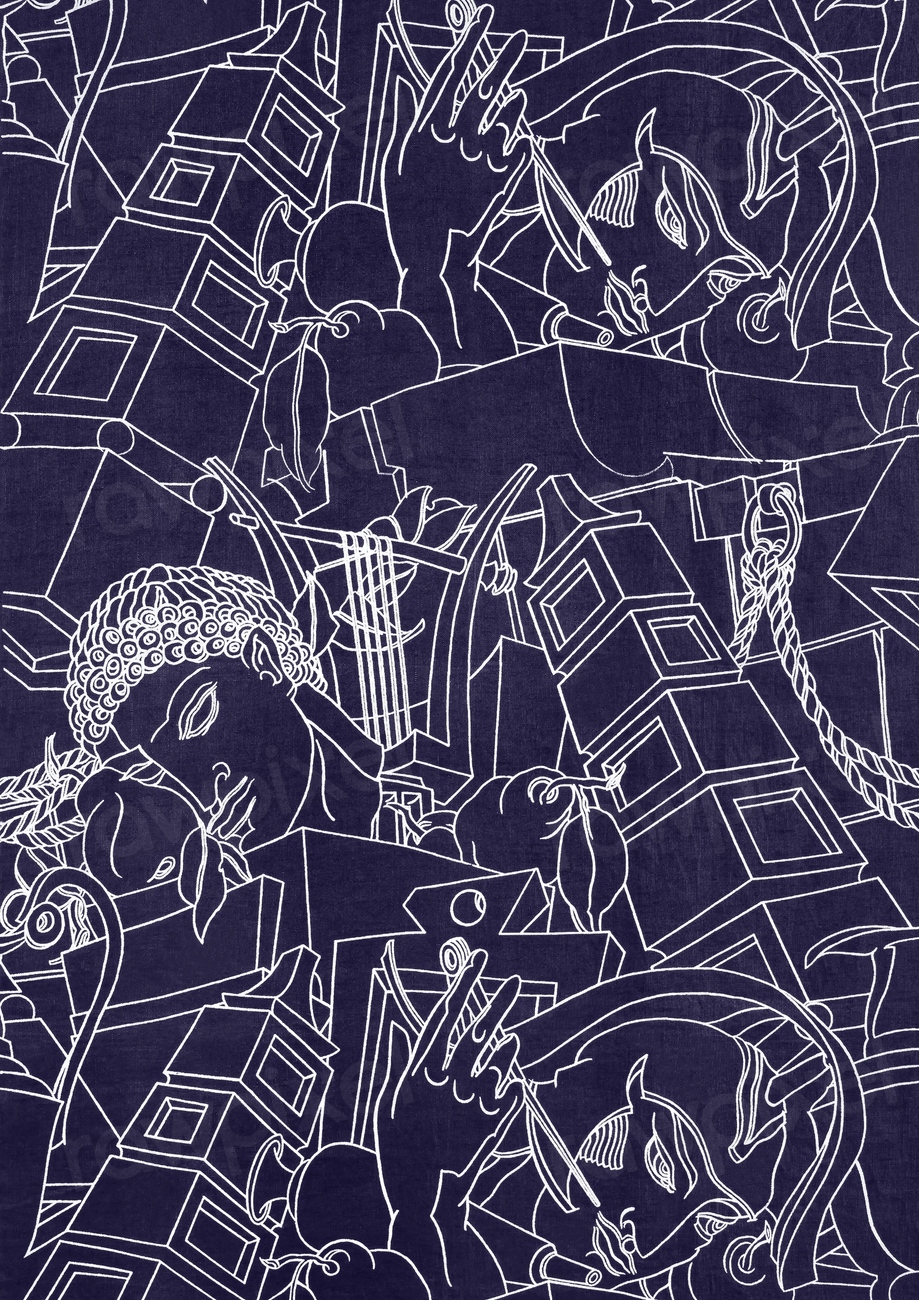
Artworks that explore the formal element ‘Line’

SHAPE:
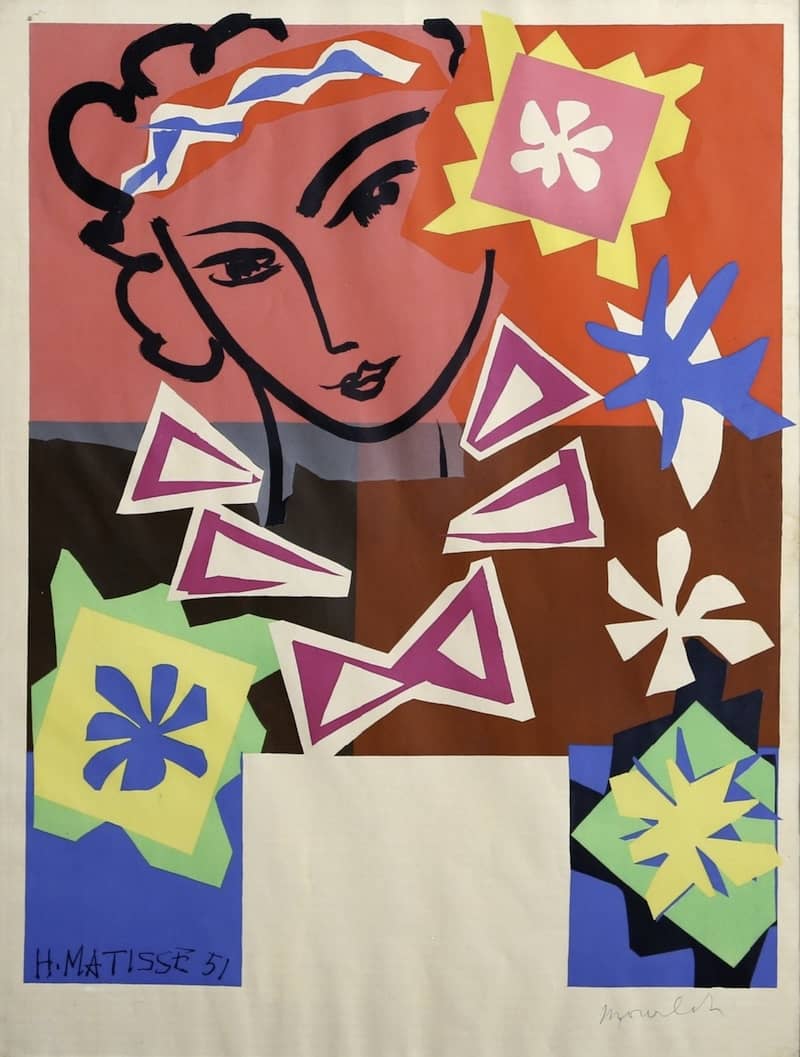
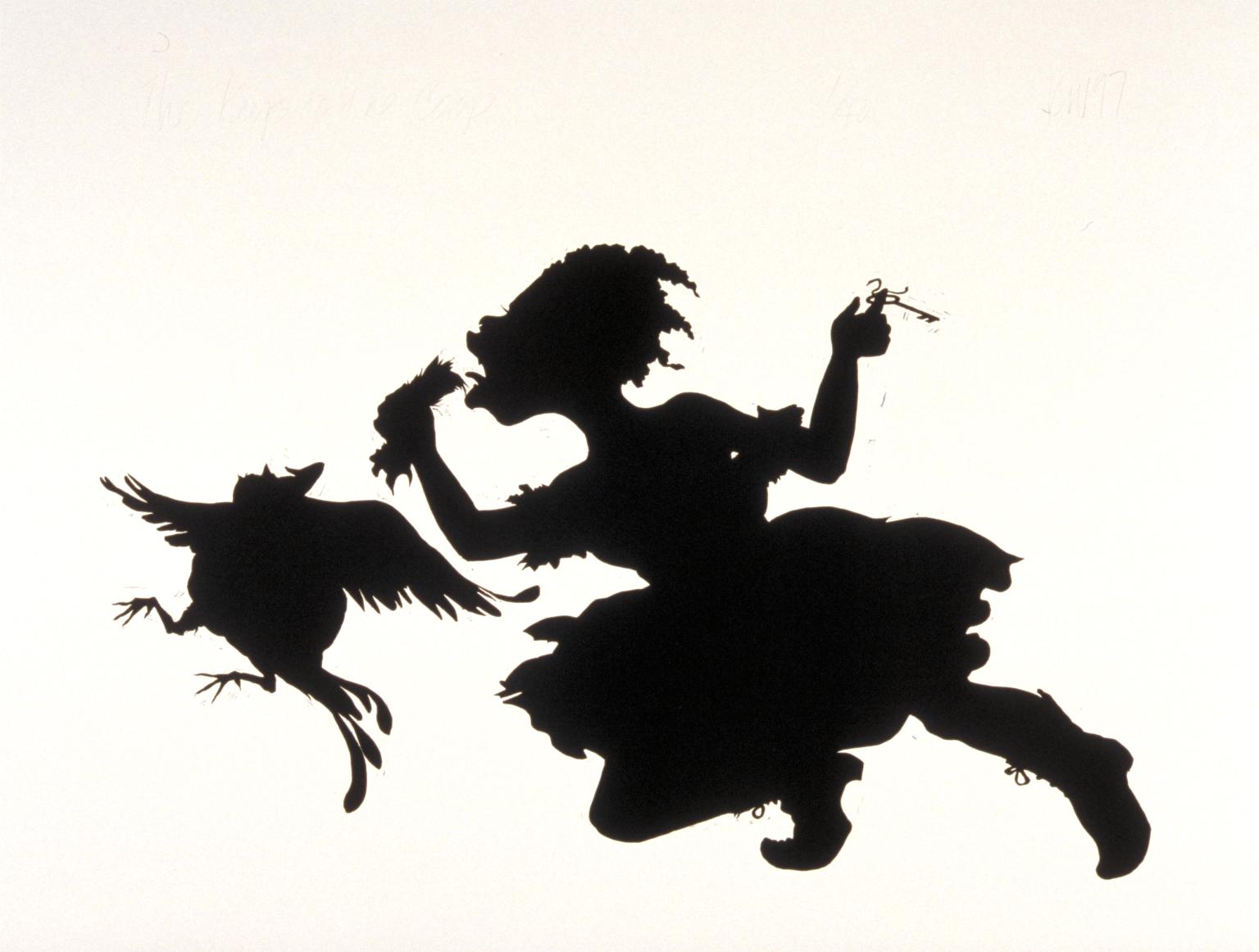
Shapes are two-dimensional enclosed areas. They can be geometric (circles, squares, rectangles, triangles) or organic (freeform, natural, erratic and irregular). Shapes are used to create patterns and forms in a composition (layout). Shapes can sometimes be taken from letters and numbers.

FORM:
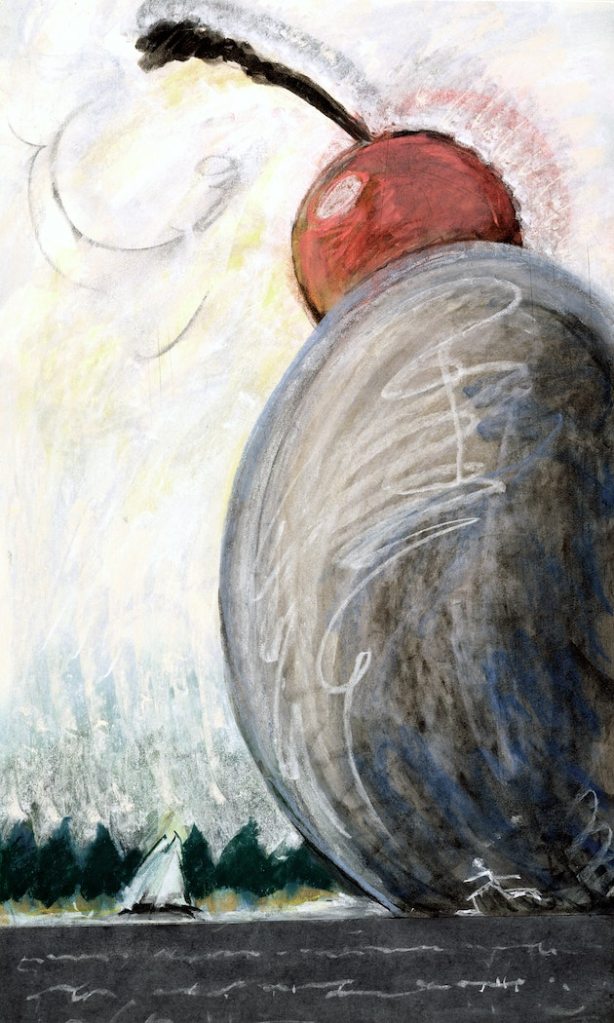
Form refers to the three-dimensional aspect of an object, adding depth and volume. Artists use shading, perspective, shadows and other techniques to create the illusion of three-dimensional form on a two-dimensional surface.
ARTIST LINKS:
Mondrian, Matisse, Kara Walker, Andy Goldsworthy, Claes Oldenburg

Artworks that explore the formal elements ‘Shape’ and ‘Form’
TONE / VALUE:
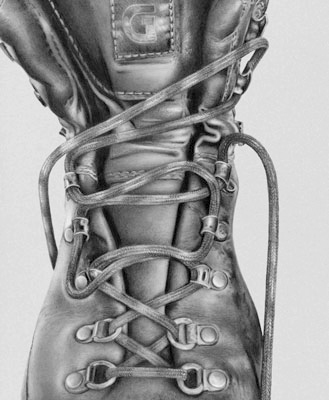
Tone (often called Value in America) is the degree of lightness or darkness in a colour. Artists use shading and highlighting to create a range of tones, adding dimension and depth to their work. Tone is often associated with blending and pencil work.
ARTIST LINKS:
Cath Riley, Evan Gruzis, Ryan Travis Christian, Josef & Anni Albers
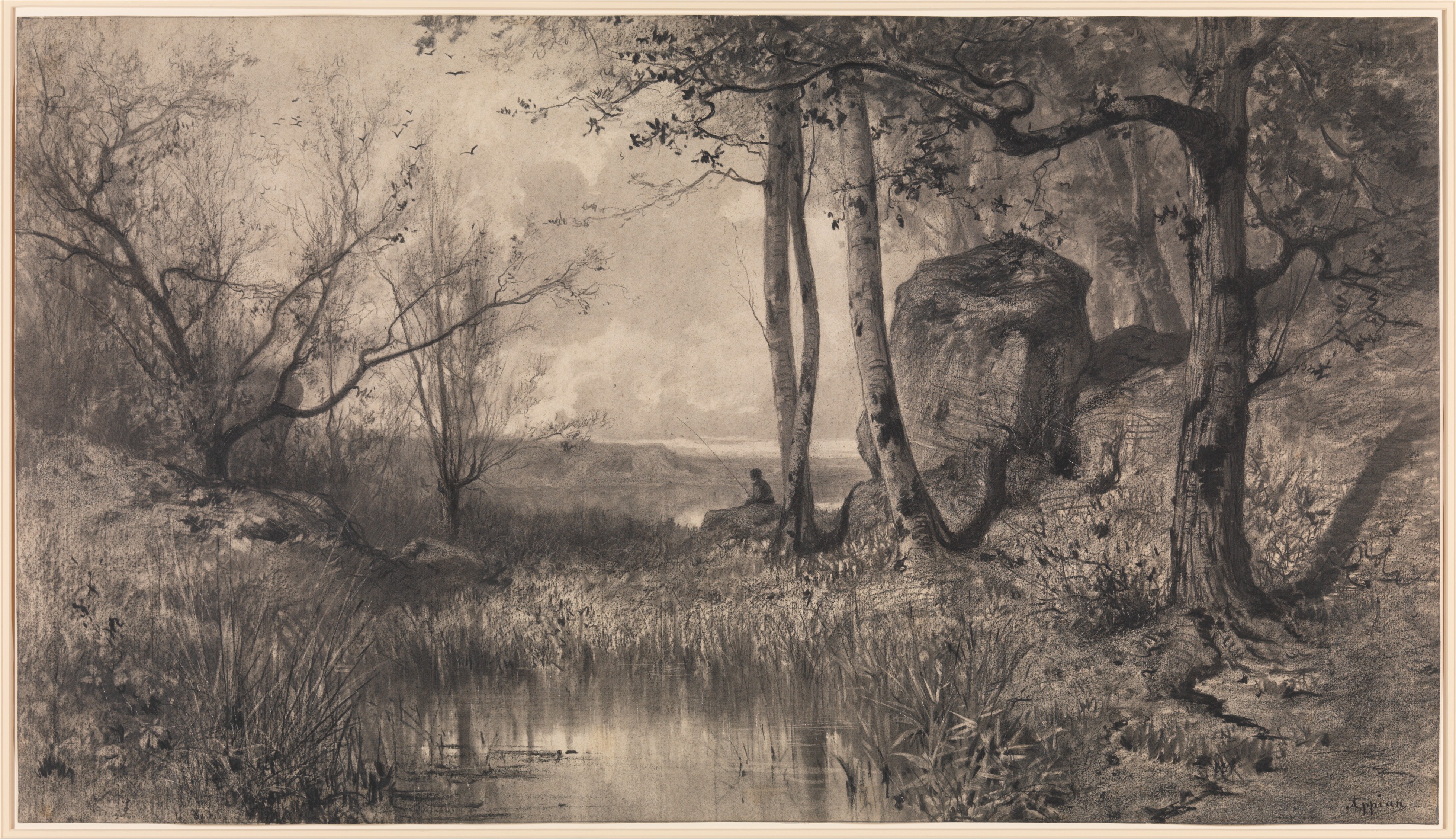
Artworks that explore the formal element ‘Tone’


TEXTURE:
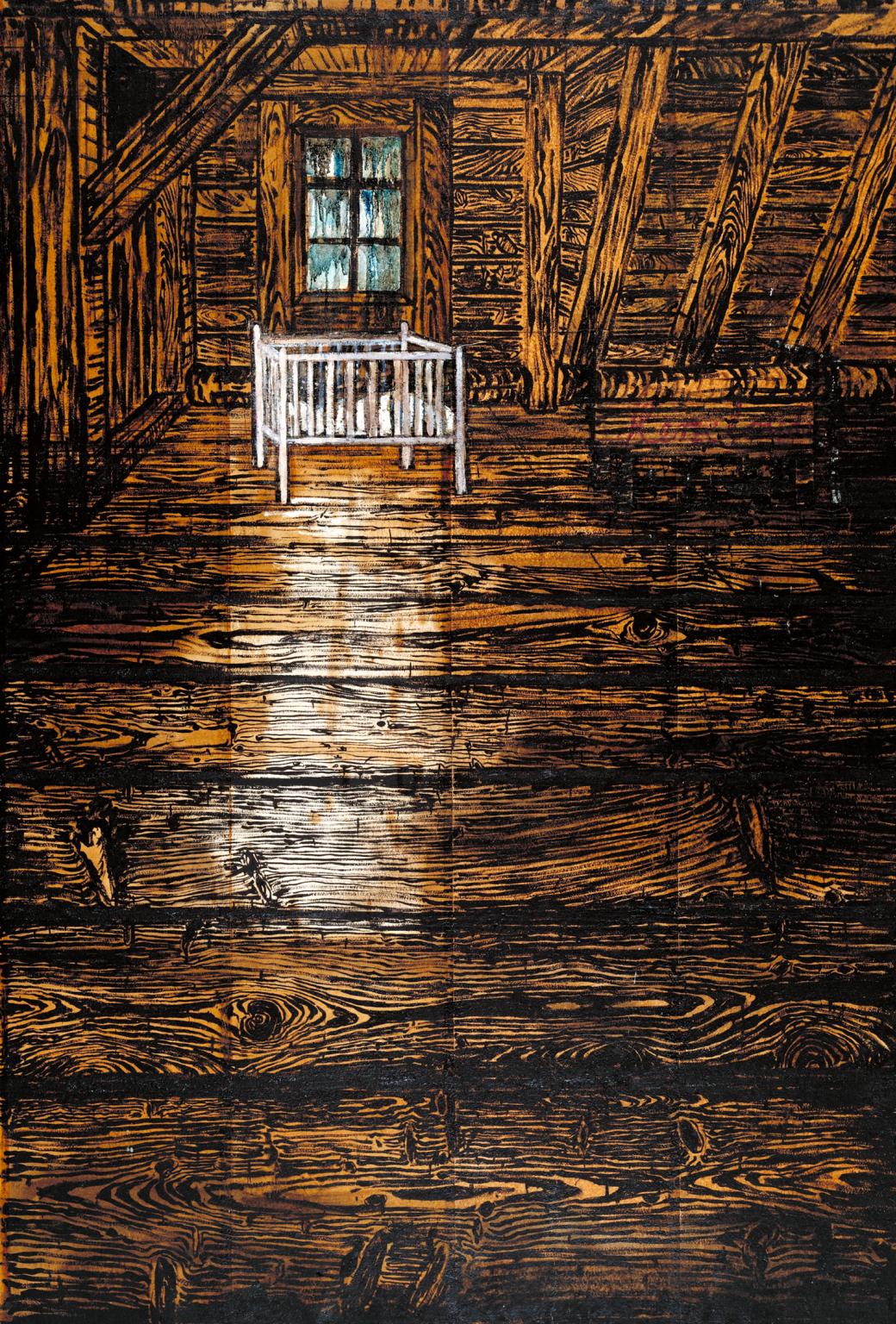
Texture refers to the surface quality or feel of an object. Artists create texture through the use of different materials, techniques, or representations, adding tactile and visual interest. Texture can be created with mark-making and collage.
ARTIST LINKS:
Vincent van Gogh, Anselm Kiefer, Louise Bourgeois, Kate Malone, Gordon Cheung

Artworks that explore the formal element ‘Texture’


COLOUR:
Colour includes hues (the pure colours of the spectrum), tone / value (lightness or darkness), and saturation (intensity). Colour can evoke emotions and set the mood of a piece. Artists use colour schemes to make areas or subjects stand out more.
ARTIST LINKS:
Hiroshige, Jacob Lawrence, André Derain, Pauline Boty, Chuck Close

Artworks that explore the formal element ‘Colour’


SPACE:
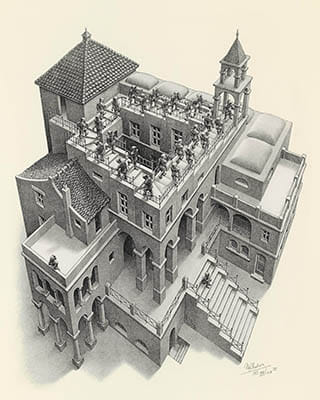
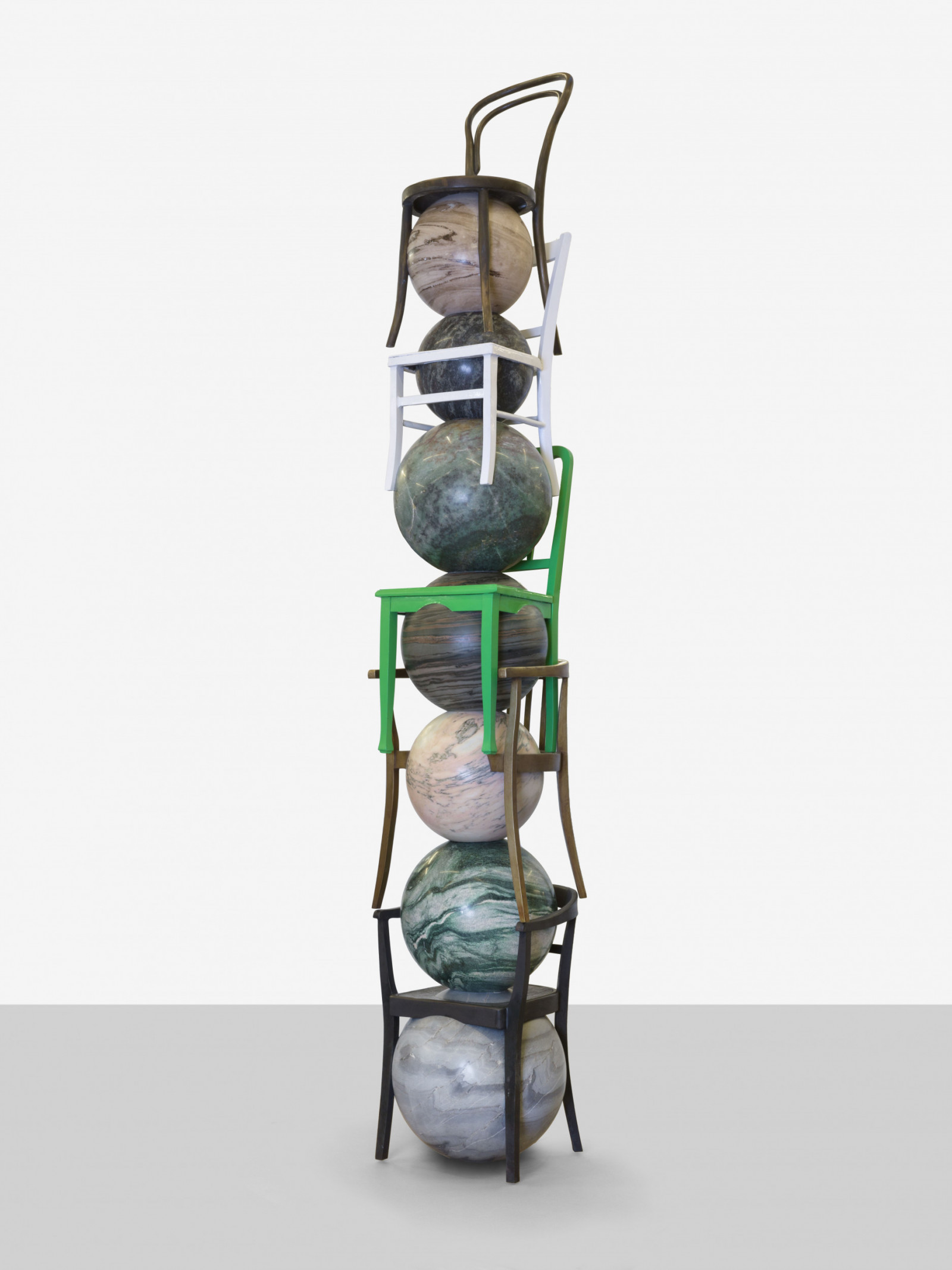
Space is the area around, between, or within elements in a composition (layout). Artists use techniques like perspective and overlapping to create a sense of depth and space in their work. Some artists focus on the negative space of a subject.
ARTIST LINKS:
Salvador Dali, MC Escher, Antony Gormley, Rachel Whiteread, Alicja Kwade

Artworks that explore the formal element ‘Space’
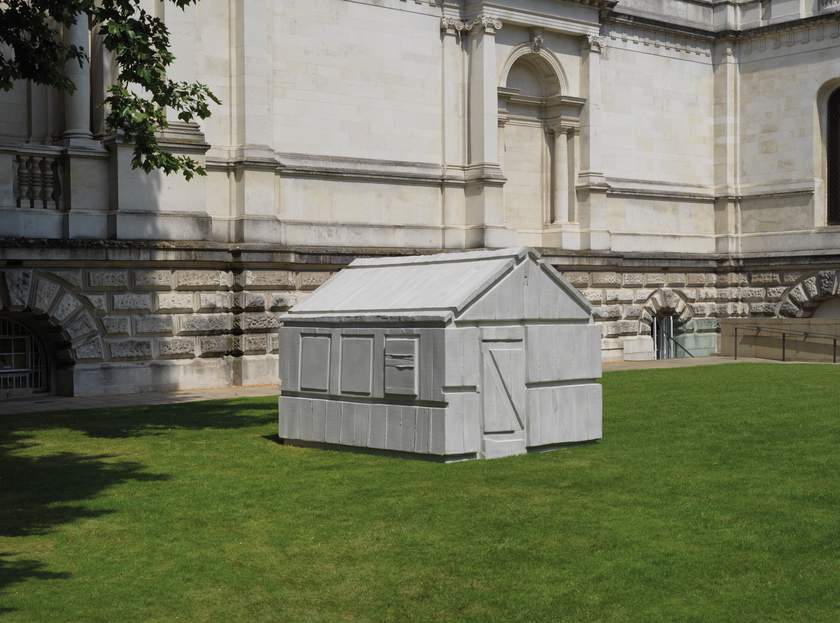
PATTERN:
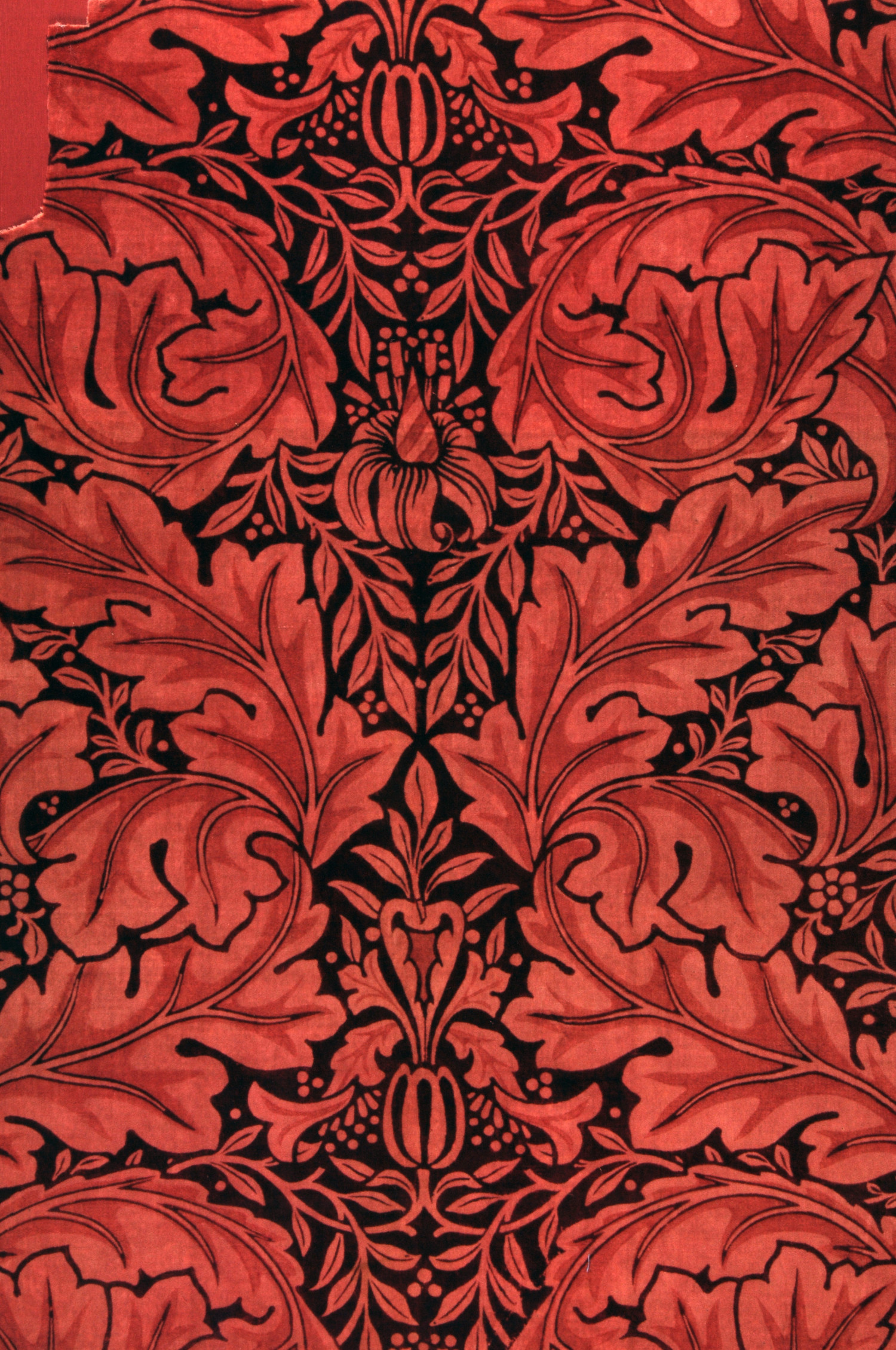
A pattern is a repetition of elements (shapes, lines, colors, etc.) often with a consistent spacing and sequence. Patterns are created by repeating elements in a recognisable and systematic arrangement.
ARTIST LINKS:
Yayoi Kusama, William Morris, Sarah Morris, Lalla Essaydi, Damien Hirst

Artworks that explore the formal element ‘Pattern’


Get art resources sent straight to your email:
Formal Elements Booklet

I created this Formal Elements booklet with the idea of having students create their own independent research project. I set it as a Christmas homework so they had 2 weeks to complete it.
I gave students the booklet and asked them to be creative in how they did their research – I was so impressed with what they produced, some created sketchbooks, design sheets and one even made a video diary!
The booklet clearly explains the task for students, and gives them ideas of how to present their research such as a mini sketchbook, comic strip, flip book etc.


Student responses to the formal elements research project:




Download the Formal Elements bundle below:
Pay £2.50 and download the PDF booklet and PowerPoint presentation straight away. Please do not leave this page until you have downloaded your file!
The Formal Elements Research Project booklet includes:
- An explanation of what the Formal Elements are and how artists use them
- A task clearly explaining what students need to include in their research project
- A page dedicated to each of the Formal Elements
- Pictures (for students to cut out) illustrating examples of each element
- A definition of each of the Formal Elements
- A list of relevant artists on each page
- Ideas of what students can produce for their project

 The Art Teacher
This is a fantastic resource!! 🙂
LikeLiked by 1 person
Thanks! Hope it’s useful for your students 👍🎨
LikeLike
sorry for stupid question, but the booklet does not have any real guidance for students. How did you get them to be creative and research other than what you put in the booklet?
LikeLike
Hi, great question! I have purposefully left the project wide open for students to interpret. There are a few things that could help:
– The time of year you set the project – I set it at the start of their GCSE course, which means students are usually really engaged and want to show off what they can do. I give them over two weeks to do it too, which helps.
– I have no problem with how they present their work: sheets, sketchbooks, flipbooks etc. is fine. The main thing is that they understand what the elements are and respond in their own way.
– Some students go away and research more, and some only use what is in the booklet – and both are fine! Explain this as you set the work.
– I also have a feedback lesson once students bring their work in and give feedback on how they can improve (looking at more artwork? Improving presentation? Improving the quality of their work?)
Hope this helps and thanks again.
LikeLike
Thank you for replying. Sorry for my anxiety! I am all over the place with so many ideas and the students come back Monday! I love the idea of introducing them to the elements as an overview before we delve into each one as a lesson, but I know I do not have 2 weeks to do a ‘preliminary’ project.
LikeLike
No worries, planning is very time consuming and easy to over think! I set this project as a homework, I don’t do it during school time. Maybe you could do something similar?
LikeLike
I would love to buy this. I don’t see where to click to pay and download? Could you tell me how to? Thank you.
LikeLike
Hi, it’s right at the bottom of the page, just above the comments. Thank you!
LikeLike
This is as very delayed reply! I still don’t see where to download – I can’t see anything above comments?
Thank you
LikeLike
Hi, no worries. It says Download the Formal Elements bundle below then there is a ‘subscribe’ button to make a payment. It’s towards the bottom of the page https://theartteacher.net/2024/01/21/the-formal-elements-of-art/#formal-elements ust after the pictures. Not sure if I can help much more, as other people are downloading it with no issues 🙂
LikeLike
Thank you. This was super helpful. Because I’ve already subscribed to your emails I’d missed the relevance of subscribing here.
I’ve subscribed now and all is good. Thank you!
Kate
Sent from my iPhone
LikeLike
Hi! This looks amazing. Thank you! One question ….did you present the above info ie introduce them to each of the elements first and give them the artist references first before sending them off to do the booklet?
LikeLike
Hi, thanks for your question! I didn’t really help them at all and tried to give them as little information as possible (I know, I’m mean!) I literally said they had to figure out what the Formal / Visual elements were in art, then present their research to show me they understood. I also said they had to include everything on the checklist. Giving them plenty of time and setting it near to the start of the year helped 🙂 I was so happy with their outcomes.
LikeLike